
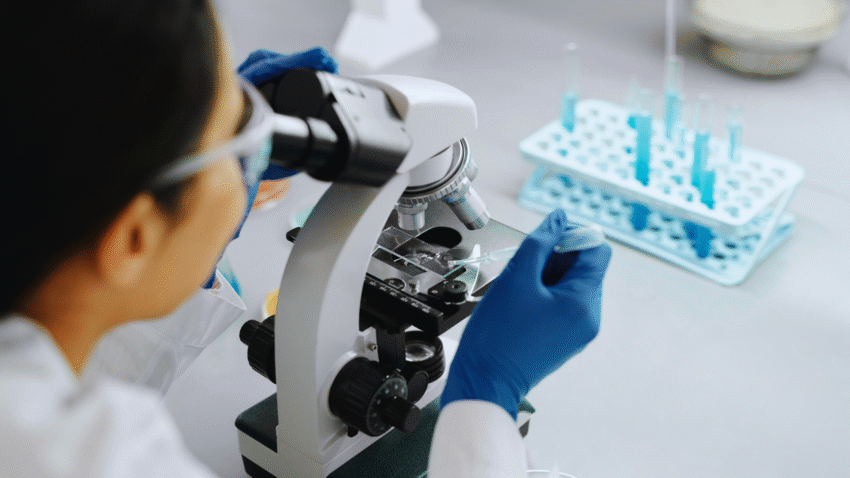
Advancements in technology have dramatically accelerated genetic discovery, enabling researchers to analyse DNA faster and more accurately than ever before. Tools like CRISPR, next-generation sequencing, and AI-driven data analysis have transformed how genetic information is decoded and understood. These technologies are making it possible to identify genetic variations linked to diseases and traits with unprecedented precision.
By automating complex laboratory processes and enhancing data processing power, technology allows scientists to explore the human genome on a scale that was previously unimaginable. This rapid progress is opening new avenues for personalised medicine, gene therapy, and understanding inherited conditions.
As technology continues to evolve, it pushes the boundaries of what genetic research can achieve, offering clearer insights into the fundamental building blocks of life. The integration of innovative tools is reshaping genetic discovery into a faster, more affordable, and more effective field.
Technological Breakthroughs in Genetic Discovery
Recent advances in gene editing, DNA sequencing, and genetic testing have transformed research capabilities. These innovations enable more precise and efficient analysis of genomic data, accelerating discovery and application in medicine and biotechnology.
Gene Editing Advancements
Gene editing technologies have evolved rapidly, allowing targeted changes to specific DNA sequences. Techniques such as zinc finger nucleases and TALENs laid early groundwork but have largely been surpassed by more efficient tools.
Modern gene editing offers greater precision, reducing off-target effects and unintended mutations. These improvements support therapeutic developments, especially for genetic disorders. These technologies also contribute to agricultural biotechnology, enhancing crop resilience and yield.
The ability to edit multiple genes simultaneously, known as multiplexing, has become increasingly feasible. This advancement expands the scope of possible genetic modifications in research and clinical settings.
CRISPR and CRISPR-Cas9 Applications
CRISPR-Cas9 has revolutionised genetic technologies by serving as a simple, efficient, and cost-effective gene editing system. It uses a guide RNA to direct the Cas9 enzyme to specific DNA sequences, enabling targeted cutting.
The precision of CRISPR-Cas9 facilitates gene knockouts, insertions, and corrections. It has applications in disease modelling, gene therapy, and functional genomics. Recent developments focus on improving specificity and reducing off-target activity.
Beyond basic research, CRISPR is entering clinical trials for treating genetic diseases such as sickle cell anaemia. Its versatility and ease of use make it foundational for current and future genomic research.
Next-Generation Sequencing Technologies
Next-Generation Sequencing (NGS) technologies have drastically reduced the cost and time of DNA sequencing. Unlike earlier techniques, NGS provides massive parallel sequencing, generating vast amounts of data quickly.
These technologies allow whole-genome, exome, and targeted gene panel sequencing. NGS supports various applications from cancer genomics to population genetics and personalised medicine.
Improvements in accuracy and data analysis tools have enhanced the detection of rare variants and mutations. The integration of NGS in clinical settings provides detailed genetic information critical for diagnosis and treatment decisions.
Emerging Genetic Testing Methods
Emerging genetic testing methods focus on improving speed, accessibility, and non-invasiveness. Techniques like liquid biopsy use circulating tumour DNA to detect cancer mutations without a traditional biopsy.
Rapid point-of-care genetic tests are increasingly available for specific conditions, supporting timely clinical interventions. Advances in microfluidics and biosensors facilitate miniaturised testing platforms.
These methods complement NGS by offering alternatives where large-scale sequencing is impractical. They enable broader population screening and personalised risk assessment in healthcare.
Applications Shaping Medicine and Health
Advances in genetic research have driven significant changes in how diseases are diagnosed, treated, and understood. These innovations directly influence personalised approaches and precision therapies, improving outcomes for various medical conditions.
Personalised Medicine and Targeted Therapies
Personalised medicine uses genetic information to tailor treatments to an individual’s genetic profile. This approach improves the effectiveness of targeted therapies by focusing on specific genetic mutations driving a condition.
For example, targeted therapies address unique DNA alterations in cancers, allowing drugs to attack cancer cells while sparing healthy tissue. This reduces side effects compared to traditional chemotherapy.
Genetic insights also guide treatment for conditions like cystic fibrosis, where variations in the CFTR gene determine which medication will work best. This precision enhances patient care by minimising trial and error.
Diagnostics for Genetic Disorders
Genetic testing offers early and accurate diagnosis of hereditary disorders such as haemophilia and muscular dystrophy. By analysing patients’ DNA, clinicians identify mutations responsible for the disease.
New sequencing technologies enable rapid screening of the human genome, improving detection rates and expanding the range of identifiable disorders. This aids in counselling families and planning appropriate interventions.
Prenatal genetic testing now allows the detection of mutations before birth, facilitating early management decisions. This application supports better health outcomes through timely intervention.
Gene Therapy Innovations
Gene therapy has evolved to correct defective genes causing diseases, often by delivering functional DNA via viral vectors. This method shows promise for conditions like haemophilia and muscular dystrophy.
Recent advancements focus on improving vector safety and precision. Techniques such as CRISPR gene editing provide more accurate gene modification, reducing off-target effects.
Clinical trials increasingly demonstrate success in treating genetic disorders that previously lacked effective therapies. This progress represents a shift towards potentially curative treatments rather than symptom management.
Cancer Treatment Breakthroughs
Genetic discoveries have refined cancer treatment by identifying specific mutations that drive tumour growth. Therapies targeting these mutations improve result specificity.
Drugs targeting oncogenes or tumour suppressor gene mutations offer personalised cancer treatment plans. This leads to better survival rates and fewer adverse effects.
Advances also include the use of genetic biomarkers to predict treatment response. This helps clinicians select the most effective therapies and avoid ineffective options, streamlining care.
| Key Aspect | Example | Impact |
| Targeted therapy | EGFR inhibitors in lung cancer | Reduces tumour size, fewer side effects |
| Gene therapy | AAV vectors in haemophilia | Long-term factor correction |
| Diagnostics | Whole genome sequencing | Early disorder detection |
| Personalised medicine | CFTR modulators for cystic fibrosis | Tailored drug response |
Genetic Engineering in Agriculture and Biodiversity
Advances in genetic engineering have transformed agriculture by improving crop traits and addressing food security challenges. Additionally, these technologies play a role in conserving biodiversity by maintaining genetic variation and protecting endangered species.
Genetically Modified Organisms and Food Security
Genetically modified organisms (GMOs) have become essential tools for enhancing food security worldwide. Crops engineered for pest resistance, such as Bt corn, reduce reliance on chemical pesticides, increasing yields and lowering production costs. This contributes directly to more stable food supplies.
GMOs also enable the development of crops with improved nutritional profiles or drought tolerance. For example, biofortified rice with higher vitamin A content aims to combat malnutrition. These innovations address specific agricultural challenges, particularly in regions vulnerable to climate change and food scarcity.
Genetic Modification in Crops
Genetic modification enhances crops by introducing precise traits from other species or activating suppressed genes. Common traits include resistance to herbicides, pests, and diseases, which lead to more efficient farming practices.
Techniques like CRISPR and other gene-editing tools allow for more targeted changes, speeding up development times compared to traditional breeding. Biotechnology has also enabled the creation of crops that require fewer resources, such as water and fertiliser, making agriculture more sustainable.
Preserving Biodiversity Through Genetics
Genetic technology assists biodiversity preservation by maintaining genetic variation among plant and animal species. Seed banks and cryopreservation stores genetic material to safeguard against extinction and environmental threats.
Genetic tools also enable the identification of diverse populations within species, helping conservationists prioritise breeding programs. These efforts aim to preserve resilience in ecosystems, allowing species to adapt to changing conditions and maintain ecosystem services.
Future Directions and Ethical Considerations
Advances in genetic technologies push the boundaries of what is possible in genetic research. With this progress comes complex questions about how these innovations will influence human biology, society, and legal structures.
Human Evolution and Genetic Manipulation
Genetic manipulation now allows targeted changes to the genetic code, potentially altering human evolution deliberately. Techniques like CRISPR enable precise edits to genetic information, raising possibilities of eradicating hereditary diseases or enhancing traits.
However, modifying the human genome may impact genetic diversity and long-term evolutionary pathways. Ethical concerns focus on unintended consequences, such as off-target effects or the creation of genetic inequalities.
Policies must balance the promise of gene editing with the responsibility to avoid disruption of natural evolutionary processes. The potential to edit embryonic DNA intensifies debates about altering the human germline permanently.
Societal and Regulatory Challenges
Regulatory frameworks lag behind rapid technological advances in genetics. Governments and international bodies face difficulty creating consistent laws addressing gene editing, data privacy, and consent.
Public understanding is uneven, complicating informed policy decisions. There are concerns about access, equity, and potential misuse of genetic technologies, including non-therapeutic enhancements.
Regulations need clear guidelines on applications, safety standards, and oversight mechanisms. Ethical considerations include respect for individual autonomy and prevention of discrimination based on genetic information.
The Impact of Genetic Technologies on Society
Genetic technologies influence healthcare, agriculture, and forensic science profoundly. Access to personalised medicine depends increasingly on understanding individual genetic information, improving treatment effectiveness.
At the same time, concerns about genetic data security grow. Societal impacts include potential shifts in insurance, employment, and social stigma related to genetic predispositions.
Education and transparent communication about genetic advances are crucial. Ensuring equitable benefits from genetic technologies requires addressing disparities and fostering global cooperation.