
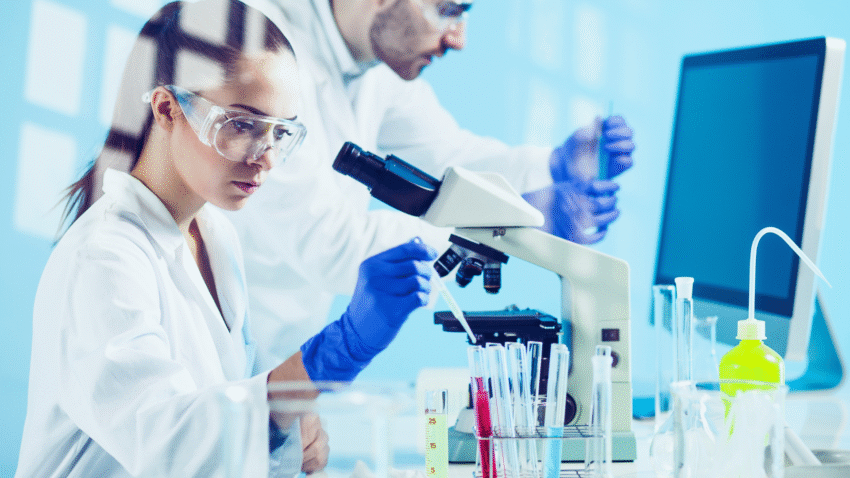
Lab safety is essential for protecting both the individuals working in the laboratory and the integrity of their experiments. When proper safety protocols are followed, the risk of accidents, contamination, and errors significantly decreases. This careful approach safeguards scientists from harm while ensuring that research results are reliable and reproducible.
The lab environment often involves handling hazardous chemicals, biological agents, or sensitive equipment. Without strict safety measures, unexpected incidents can disrupt experiments and damage valuable data.
Ultimately, maintaining a safe lab supports scientific progress by preserving both the well-being of researchers and the accuracy of their findings. This balance is vital for credible and ethical science.
The Role of Lab Safety in Safeguarding Scientists and Results
Lab safety plays a critical role in protecting both scientists and the validity of their work. It sets the foundation for a controlled environment where risks are identified and minimised, ensuring both personal safety and data reliability.
Why Laboratory Safety Is Essential for Scientific Work
Laboratory safety is essential because it reduces hazards that can cause injuries or health issues. Effective safety measures involve risk assessment protocols that identify potential dangers before experiments begin. Scientists rely on personal protective equipment (PPE), proper ventilation, and clear procedures to minimise exposure to harmful chemicals and biological agents.
In addition, safety training ensures all personnel understand how to handle materials and equipment safely. Without these measures, accidents become more likely, which can halt research activities and increase costs for healthcare and damage repair. A safe lab environment promotes confidence and focus, allowing researchers to work efficiently.
How Safe Practices Preserve Experimental Integrity
Safe practices prevent contamination, degradation, or loss of samples, maintaining the accuracy of results. For example, strict protocols on sterilisation and waste disposal help avoid cross-contamination between tests. Using calibrated instruments and following standard operating procedures also reduces variability in experiment outcomes.
Risk assessments highlight vulnerable points in an experiment that could compromise data. By addressing these early, scientists can control variables that affect reproducibility. Proper storage and labelling prevent mix-ups and preserve the chemical stability required for reliable observations.
The Impact of Accidents on Researchers and Data
Accidents in the lab can lead to physical harm, chronic illnesses, or psychological stress for researchers. Such incidents often require investigations that interrupt ongoing projects and divert resources from science to recovery or legal procedures. Injured personnel may face long-term health problems, impacting their ability to continue research.
Data collected during or after accidents is often unreliable. Contamination, equipment failure, or rushed procedures can invalidate results, causing setbacks. In extreme cases, critical findings may be lost entirely, necessitating repetition of experiments, which increases time and expense. Therefore, preventing accidents is vital to sustaining continuous, credible research.
Identifying and Controlling Laboratory Hazards
Effective hazard control requires precise identification and management of risks present in the laboratory. Addressing chemical, biological, ergonomic, and physical dangers ensures the safety of personnel and maintains the integrity of experimental results.
Chemical Hazards: Managing Risks and Exposure
Chemical hazards include toxic, corrosive, flammable, and reactive substances commonly used in labs. Proper labelling with Material Safety Data Sheets (MSDS) and colour-coded storage helps identify and segregate chemicals safely.
Personal protective equipment (PPE) is essential. Gloves, goggles, and lab coats prevent skin and eye contact. Fume hoods reduce inhalation risks when handling volatile substances. Regular training on chemical handling and emergency procedures minimises accidents.
Spill kits and clearly defined disposal protocols for hazardous waste are mandatory to prevent contamination and environmental damage. Monitoring air quality and ensuring adequate ventilation further reduces hazardous exposure.
Biological Hazards: Preventing Contamination and Infection
Biological hazards include bacteria, viruses, fungi, and other microorganisms. Containment strategies such as biosafety cabinets and sterilisation devices are required to prevent pathogen release.
Strict use of PPE, like gloves and face shields, reduces infection risk. Proper hand hygiene and decontamination of surfaces help limit cross-contamination. Access restrictions to biological labs reduce potential exposure.
Vaccination programmes and health monitoring are recommended for personnel working with infectious agents. Biohazard waste must be segregated and treated to prevent environmental contamination and pathogen spread.
Ergonomics and Workstation Design
Poor workstation design can lead to repetitive strain injuries and long-term musculoskeletal problems. Adjustable chairs, work surfaces, and monitor heights allow for customised setups.
Equipment placement should minimise awkward postures and excessive reaching. Anti-fatigue mats reduce leg strain for standing workers. Regular breaks help prevent overuse injuries.
Clear labelling and organisation reduce errors and improve workflow efficiency. Ergonomic assessments ensure workstation adjustments meet individual needs and support proper posture during tasks.
Physical and Environmental Risks
Physical risks include slips, trips, falls, electrical hazards, and fire risks. Maintaining clean, clutter-free floors and secure wiring minimises accidents. Laboratory benches should have appropriate edge protection and stability.
Temperature control, lighting, and noise levels affect both comfort and concentration. Emergency exits and fire extinguishers must be accessible and regularly inspected.
Environmental monitoring for gases, radiation, or pressure changes ensures early detection of hazardous conditions. Implementing safety signage and routine safety drills prepares staff for emergencies.
Essential Lab Safety Measures and Protocols
Effective safety in laboratories depends on proper equipment, clear procedures, and controlling exposure to hazardous substances. Protective gear, strict adherence to protocols, and ventilation systems are fundamental to maintaining a safe working environment.
Personal Protective Equipment and Its Proper Use
Personal protective equipment (PPE) includes items such as lab coats, gloves, safety goggles, and face shields. These create a barrier between the user and harmful chemicals, biological agents, or physical hazards.
PPE must fit correctly and be chosen based on the specific risks present. For example, nitrile gloves resist many chemicals better than latex. Safety goggles should provide side protection to shield the eyes from splashes.
Proper use also involves regular inspection and replacement. Damaged or contaminated PPE loses effectiveness, increasing the chance of injury or contamination.
Standard Operating Procedures for Safety Compliance
Standard operating procedures (SOPs) outline step-by-step instructions for handling materials, equipment, and waste safely. They ensure consistency and reduce the chance of accidents.
SOPs cover topics such as chemical storage, emergency responses, and correct disposal methods. Workers must follow these protocols without shortcuts to ensure both safety and the integrity of results.
Training is essential. Lab personnel should review SOPs regularly and update them when new hazards or methods arise.
Fume Hoods and Ventilation Systems
Fume hoods control exposure to toxic fumes, vapours, and dust by directing airflow away from the user and exhausting contaminants outside the lab. Proper use involves working with the sash at the correct height and avoiding blocking airflow.
Regular maintenance is necessary to confirm airflow rates meet safety standards. Poor ventilation can lead to hazardous accumulations of substances in the lab atmosphere.
Ventilation systems reduce airborne risks by supplying clean air and removing contaminated air, protecting both the individual and the surrounding environment.