
Bar Soap Ingredients: Decoding What You’re Actually Washing With
Soap sales take place with most people on a "see one, sell one" basis. They don’t think twice about what’s in the bar when it’s marked down or on special for buy one, get one free, and the small ingredient list on the back of that colorful exterior might as well be in Greek for how much consideration it gets. But what we wash with, as soap, shampoo, conditioner, body lotion, actually matters beyond scent alone. It interacts with the natural properties of skin and hair, and it all adds up over time.
What Actually Goes Into Commercial Bar Soap
Take a walk down any supermarket and convenience store aisle dedicated to soap and there’s an option for everyone: soap with moisturizers, soap without preservatives, sensitive skin soap, aloe-infused soap, the list goes on. But when consumers flip over the packages to check out the ingredients, they all have one thing in common: they do not look like traditional soap at all. Commercial soap companies use cheap, effective and fast methods to manufacture soap which means some things are added into the mix and some things are cut out.
For example, commercial bar soap is often made from some combination of sodium tallowate or sodium palmate, basically the same thing as lye combined with animal fat or palm oil in decent ratios. That’s no problem. But added into the mix is sodium lauryl sulfate more times than not because it makes the soap lather what people expect. But what it does is wash away natural oil in the skin that people need. So, what’s the difference with sodium laureth sulfate? Essentially nothing except a different lettering sequence on the ingredient label.
Again, preservatives make BHT and parabens stable enough to last for months if not years on store shelves and synthetic fragrances make them smell good without relying on expensive essential oils. Triclosan may be less popular now than in years past, but it still makes its way into antibacterial versions of soap even though regular soap and water works better than triclosan at any stage.
The Glycerin Problem Nobody Talks About
But here’s where the story gets interesting from a commercial standpoint. When soap is created via traditional means, glycerin is a byproduct of soap. It’s not a bad thing, either; glycerin helps keep skin moisturized and retains that barrier people talk about, but few understand about skin composition.
But commercial manufacturers realized that the glycerin could be removed and sold to cosmetic companies instead of kept in the soap for less revenue generated. So most commercially made bars of soap have had their glycerin removed because selling it is better than keeping it there.
But what’s left behind isn’t an incredible product. It cleans skin but doesn’t help maintain a proper balance. The makeup latherings that used to exist don’t really matter as much anymore because there’s nothing to save them from themselves. This is why people feel tight or dry after washing with traditional soap. With no glycerin leftover to help retain moisture, it becomes complicated.
Making Sense of Handcrafted Alternatives
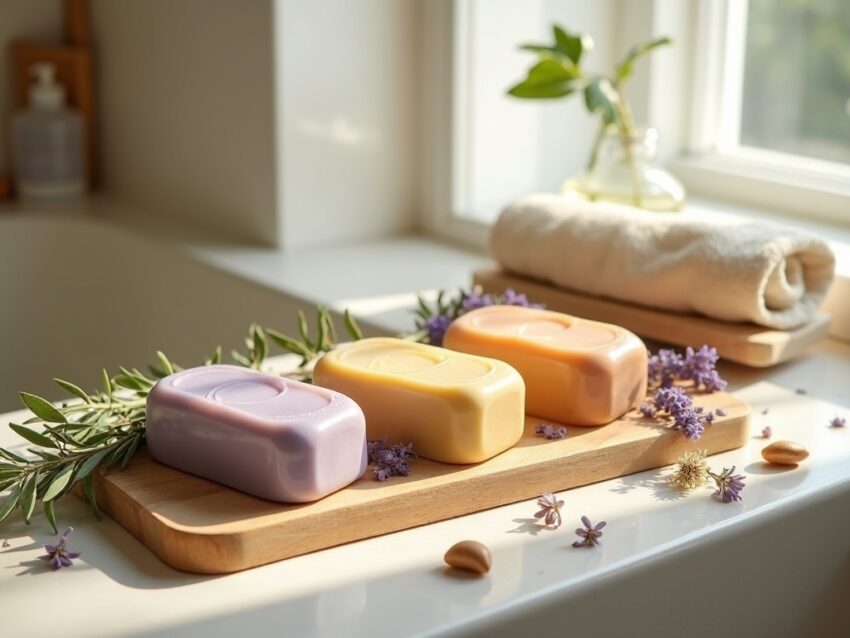
Things like Naturally Linda’s Handmade Soap acknowledge a shift in process completely. By relying on traditional means to create soap, cold pressing, for example, glycerin remains in the soap, and this changes everything for skin. Instead of removing things from the bar through chemical means and forcing skin to use its own resources to make up for what’s been lost through commercial options, the glycerin works with the other good stuff to help skin retain balance.
The ingredient lists are shorter, more recognizable and most importantly, controllable. Olive oil, coconut oil, shea butter, these are all things people know. When mixed with essential oils, which provide scents instead of synthetic alternatives, there’s less ambiguity about what people react to when they end up with unexplained rashes or irritated areas.
What Your Skin Needs from Soap
Skin has a pH level anywhere between 4.7 to 5.75, incredibly slightly acidic. There’s a reason for this: it helps keep bacteria away and maintains function like everything else on earth. Commercial soaps boast a pH level between 9–10, bitterly alkaline, and every single time someone washes with a high pH soap their skin needs to work doubly hard to restore that natural pH acidity back into balance. Some people do it seamlessly; others struggle, especially those with sensitivities or dermatological conditions like eczema who don’t need any additional disruption.
That barrier, the outer layer everyone talks about, but few understands what keeps it intact, is made from several components: natural oils derived from skin, moisture retention and a balanced pH environment. When too much is taken away or thrown into disarray time and time again small nuisances emerge. Dryness, chafing, increased irritation from other products used on the skin (and no one’s ever broken out with acne until they’ve used a bar of soap for too long).
Reading Labels That Actually Matter
It’s not easy to source negative ingredients just because they appear difficult to pronounce; however, patterns emerge when people compare products based on their own individual need. For example, shorter ingredient lists mean less synthetic filler which is appreciated. Oils and butters at the top mean they’re used more than less. Finding soap without sulfates, parabens or synthetic fragrances means they’re not cheapening production costs.
Sometimes certifications matter; sometimes they don’t. "Natural" means next to nothing legally, anyone can plaster that term across anything, but organic certification from reputable organizations matter over time. But sometimes the best thing is having a gut feeling about an ingredient which makes sense based on where it would come from.
The Real Cost Difference Explained
Handmade soap costs more than traditional bar soaps because it’s made from materials that cost more from production processes that cost more. There’s no glycerin sold for separate profit, there’s no synthetic product costing pennies per each batch made on an assembly line.
Whether it’s worth it is up to sensibilities. If it’s just soap, a cleaning agent that’s meant to lather dirt away and create some sort of scent, then spending pennies makes sense for a buy one get one free promotion. However, if someone cares about their skin health, or lack thereof, and needs accountability for ingredient transparency or finding value in small-scale companies producing valued soap products, then only two dollars per bar makes sense when considering that skin is the largest organ in the body and over a lifetime whatever applied atop it will add up.