
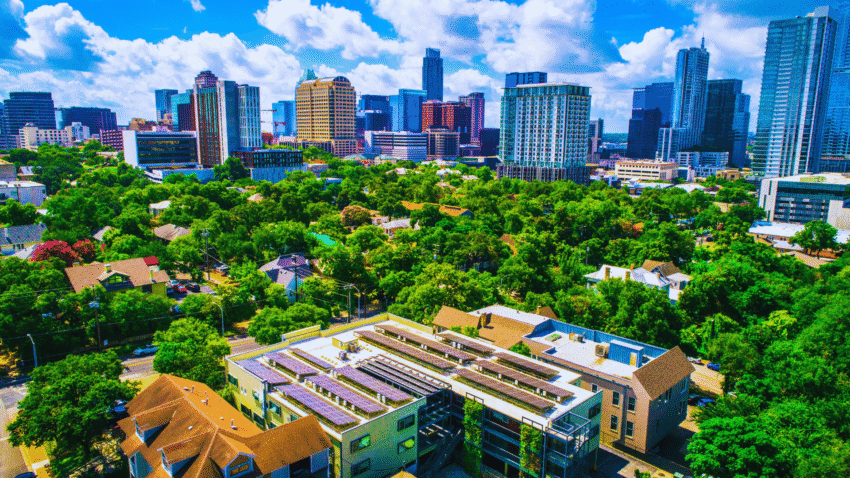
The push for sustainable cities is more urgent than ever as climate change continues to pose significant challenges. New green technology is revolutionising urban environments by providing practical solutions that reduce environmental impact and enhance the quality of life for residents. From energy-efficient buildings to smart waste management systems, these innovations are designed to promote urban sustainability.
Cities around the world are adopting green technologies to address their carbon footprints and improve resilience against climate-related stressors. The integration of renewable energy sources, green roofs, and sustainable transportation options not only mitigates the effects of climate change but also fosters healthier communities. As urban populations grow, these advancements make it possible to create cities that thrive economically while respecting ecological balance.
Innovation in green technology is paving the way for future urban planning. By utilising cutting-edge solutions, cities can become more efficient, sustainable, and adaptive to the demands of modern life. This blog post will explore the latest advancements in green technology that are shaping sustainable urban landscapes.
Fundamentals of Sustainable Urban Development
Sustainable urban development focuses on creating cities that minimise environmental impact while promoting social equity and economic viability. Key aspects include integrated planning, community engagement, and innovative sustainable solutions tailored to local contexts.
The Vision of Sustainable Future
A sustainable future envisions cities that function harmoniously with nature. This includes reducing carbon emissions and efficiently managing resources.
Urban planners aim for interconnected communities that prioritise public transport, walkable spaces, and green areas.
The emphasis is on creating resilient infrastructure that adapts to climate change. Incorporating renewable energy sources, such as solar and wind, further enhances sustainability goals.
Ultimately, a sustainable city fosters a sense of community while protecting natural resources for future generations.
Pillars of Sustainability
The pillars of sustainability comprise environmental, economic, and social dimensions. Each pillar plays a crucial role in guiding urban development.
- Environmental Sustainability: Focuses on minimising resource depletion and promoting biodiversity. This includes implementing green technologies like energy-efficient buildings and sustainable waste management.
- Economic Sustainability: Ensures long-term economic health through job creation and innovation. Supporting local businesses and investing in sustainable infrastructure underpin this aspect.
- Social Sustainability: Promotes equity and inclusivity within communities. This can be achieved through affordable housing, community engagement, and access to essential services.
Together, these pillars provide a comprehensive framework for sustainable urban planning that addresses present needs without compromising future generations.
Innovative Green Technologies in Urban Planning
Urban planning increasingly incorporates innovative green technologies, paving the way for sustainable cities. These advancements focus on renewable energy, smart infrastructure, and environmentally friendly building practices.
Renewable Energy Systems
Renewable energy systems play a pivotal role in sustainable urban development. Cities are adopting rooftop solar panels, which generate clean energy while reducing reliance on fossil fuels. Wind turbines are also being integrated into urban environments, capturing energy from natural wind flows.
To optimise energy use, many cities are implementing smart grids. These grids enhance energy distribution efficiency, using real-time data to balance supply and demand. Additionally, energy storage solutions, like battery systems, are being developed to manage intermittent renewable sources effectively.
These systems are complemented by policies supporting the use of green energy solutions, creating a resilient urban energy landscape.
Green Buildings and Architecture
Green architecture is essential for improving urban sustainability and reducing environmental impact. Architects are increasingly using sustainable building materials, such as recycled concrete and timber, to minimise the carbon footprint of new constructions.
Design features like green roofs and living walls enhance urban biodiversity while improving energy efficiency. These elements not only provide insulation but also help manage stormwater, reducing urban flooding risks.
Furthermore, buildings are becoming smart, equipped with technologies that monitor energy consumption and indoor air quality. This innovation promotes healthier living spaces and reduces operational costs, making green buildings a vital part of urban planning.
Smart City Infrastructure
Smart city infrastructure integrates technology to enhance urban living and sustainability. This includes the deployment of smart technologies like IoT sensors, which monitor traffic, air quality, and energy usage in real time.
These sensors enable efficient resource management and improve residents’ quality of life. For instance, adaptive traffic lights can reduce congestion and emissions by responding to real-time traffic conditions.
Moreover, smart public transportation systems are being developed to promote the use of public transit over personal vehicles. These systems enhance accessibility and reduce urban carbon footprints, contributing to the overarching goal of sustainable urban development.
Integrating Sustainable Practices in Daily Life
Incorporating sustainable practices into daily life is essential for fostering environmentally friendly urban spaces. Key areas to focus on include transportation and waste management, water conservation, and adopting a circular economy model.
The Role of Transportation and Waste Management
Transportation significantly impacts CO2 emissions and overall urban sustainability. Promoting public transport, cycling, and walking reduces reliance on personal vehicles. Such alternatives not only lower carbon footprints but also enhance mental well-being by encouraging physical activity.
Effective waste management is crucial. Implementing policies for sorting waste at the source can maximise recycling rates. Cities can work towards reducing landfill use by investing in composting programmes and waste-to-energy initiatives. Urban areas must also promote litter reduction campaigns to raise awareness about responsible waste disposal.
Water Conservation Strategies
Water management plays a pivotal role in sustainable urban living. Rainwater harvesting systems can significantly reduce dependency on mains water. These systems collect and store rainwater for non-potable uses like irrigation and flushing toilets.
Moreover, implementing water-efficient fixtures in homes and public spaces can dramatically decrease water consumption. For instance, low-flow taps and dual-flush toilets can save a substantial amount of water. Residents can benefit from educational programmes about water conservation practices, which promote behavioural changes that lead to sustainable usage.
The Circular Economy and Recycling
Adopting a circular economy transforms the way waste is perceived. Instead of viewing products as disposable, they are reimagined for reuse and recycling. This approach reduces waste and minimises resource extraction, which can significantly lower environmental impacts.
Cities can facilitate this shift by establishing convenient recycling programmes. Community engagement initiatives are essential to inform residents about proper recycling protocols and the importance of reducing waste. Businesses can participate by designing products with sustainability in mind, using recyclable materials, and promoting ‘take-back’ schemes, thus ensuring a continuous loop of material use.
Ethical Considerations and Policy Making for Sustainability
Addressing the ethical dimensions of sustainability in urban development requires a multifaceted approach. Key areas of focus include safeguarding data privacy, enhancing public knowledge, and establishing effective legislative frameworks.
Ensuring Data Privacy and Ethical Data Collection
In the realm of sustainable city planning, data collection is essential for monitoring urban ecosystems. However, maintaining data privacy is crucial. Transparency in data practices should be a priority. This includes informing citizens about the data being collected, its purpose, and how it will be used.
Ethical data collection methods also emphasize consent, ensuring that individuals’ rights are respected. Cities must adopt robust frameworks to protect personal information while leveraging data to support carbon neutrality and sustainable practices.
Educational Initiatives and Public Awareness
Public education plays a significant role in fostering a culture of sustainability. Initiatives must focus on the importance of individual actions and their environmental impact. Workshops, community programmes, and educational campaigns can empower citizens to participate actively in sustainable urban practices.
Utilising diverse platforms, including social media and local events, raises awareness about issues like embodied carbon. Increased public understanding promotes a collective effort towards greener urban environments, highlighting the responsibility of every individual.
Legislation and the Role of Policy Makers
Effective policies are vital for implementing sustainable practices in cities. Policymakers must prioritise legislation that supports environmental sustainability, focusing on urban planning, resource management, and infrastructure development.
In particular, regulations should aim to reduce the carbon footprint of urban areas, addressing both existing buildings and new constructions. Collaboration between government entities and private sector stakeholders can drive innovation and adherence to sustainability goals, ensuring that ethical considerations are embedded in urban policy frameworks.