
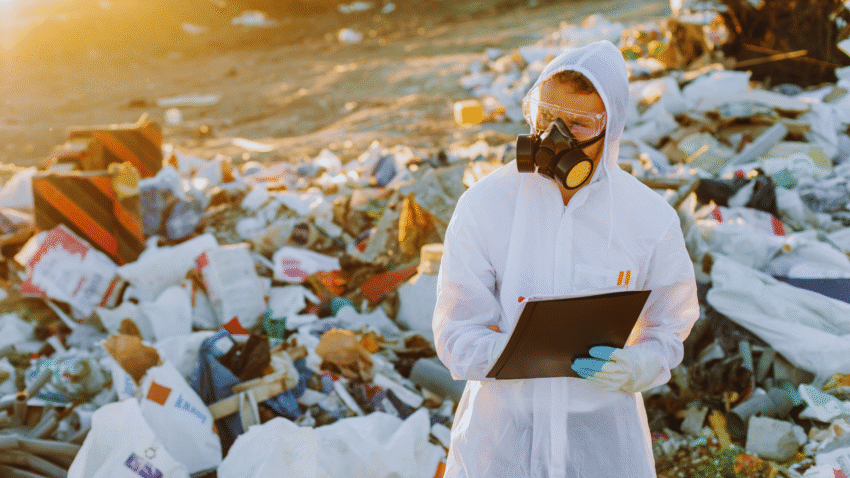
Cities face increasing challenges in managing chemical waste, a crucial aspect of sustainable waste management. To safely get rid of chemical waste, individuals and businesses must adhere to local regulations, engage in proper disposal methods, and prioritise environmental responsibility. Neglecting these aspects can lead to hazardous waste accumulation, posing significant risks to public health and the environment.
Understanding the laws governing hazardous waste in one’s area is essential for compliance. Many cities offer designated collection points or scheduled disposal days for chemical waste, ensuring that harmful substances are treated by professionals equipped to handle them safely. By participating in these programmes, communities contribute to a cleaner, safer environment while fulfilling their regulatory obligations.
Awareness and education about the risks associated with improper disposal of chemical waste are vital. Individuals and businesses can promote sustainability by choosing eco-friendly alternatives whenever possible and remaining informed about local disposal options. By committing to responsible waste management practices, they can play a proactive role in protecting their surroundings and supporting public health initiatives.
Understanding Chemical Waste in Urban Environments
Chemical waste in urban settings poses significant challenges. It comprises various types of hazardous materials that can impact public health and the environment. Effective management of chemical waste is essential for regulatory compliance and community safety.
Types of Chemical Waste
Urban environments generate multiple forms of chemical waste. These include:
- Household Hazardous Waste (HHW): Items like batteries, paints, cleaners, and pesticides. These substances can be dangerously toxic.
- Industrial Waste: Dangerous by-products from factories and manufacturing plants. These often contain chemicals that are harmful if improperly disposed of.
- Medical Waste: Includes sharps, pharmaceuticals, and other materials from healthcare facilities that can carry infectious agents or toxic substances.
Proper identification and classification of these wastes are critical for effective management strategies.
Health Hazards of Hazardous Waste
Improper disposal of chemical waste poses serious health risks. Exposure to hazardous substances can lead to:
- Respiratory Issues: Inhalation of fumes or particulate matter can affect lung health.
- Skin Irritation: Direct contact with certain chemicals can cause burns or rashes.
- Long-term Health Effects: Some harmful substances can lead to chronic conditions or cancers after prolonged exposure.
Communities need to be aware of these hazards to protect vulnerable populations, including children and the elderly.
Regulatory Framework for Hazardous Waste Management
Cities must adhere to strict regulations governing hazardous waste. Key elements include:
- Identification and Classification: Regulations require proper labelling and categorisation of hazardous substances.
- Disposal Protocols: There are specific guidelines on how to safely dispose of various types of chemical waste, ensuring environmental health is prioritised.
- Compliance: Local authorities enforce regulations, requiring residents and businesses to manage waste responsibly to mitigate risks.
Understanding this framework is crucial for compliance and to ensure community safety from the dangers of hazardous waste.
Chemical Waste Collection and Segregation Strategies
Effective strategies for the collection and segregation of chemical waste are essential for urban safety and environmental protection. Implementing proper procedures reduces risks associated with hazardous materials and ensures compliance with regulations.
Hazardous Waste Collection in Urban Settings
In urban areas, hazardous waste collection requires organised systems to handle various types of chemical waste effectively. Municipalities should establish designated collection points for residents and businesses. These collection points can include:
- Scheduled collection days: Regularly scheduled pickups minimise accumulation.
- Drop-off centres: Locations where citizens can safely dispose of waste.
Training for collection personnel is crucial to ensure they can identify and handle hazardous materials safely. Clear labelling of waste types is also necessary to prevent cross-contamination during the collection process.
Secondary Containment and Specialised Containers
Utilising secondary containment systems is vital for preventing leaks and spills during storage and transport. Secondary containers should be designed to hold potential leaks from primary containers, ensuring safety. Common types of specialised containers include:
- Hazardous waste containers: Certified for specific chemicals.
- Intermediate bulk containers (IBCs): Ideal for larger volumes of liquids.
- Sharps containers: Used for disposal of needles and other sharp instruments.
These containers must be clearly labelled and meet regulatory standards. Proper handling procedures, like using personal protective equipment (PPE), are also recommended to minimise risks associated with chemical exposure.
Sorting and Transportation of Chemical Waste
Effective sorting and transportation of chemical waste greatly enhance safety in urban environments. Waste should be categorised based on its chemical composition and potential hazards. This enables compliance with legal requirements and facilitates appropriate disposal methods. Key aspects include:
- Colour-coded labelling systems: Different colours indicate specific types of waste (e.g., flammable, corrosive).
- Transportation requirements: Vehicles should be equipped to handle hazardous materials safely.
It is essential to maintain documentation for all waste types during transportation to track movement and ensure accountability. Trained personnel should oversee loading and unloading processes to reduce the risk of accidents.
Safe Disposal and Treatment Methods
Effective disposal and treatment methods for chemical waste are crucial for maintaining environmental safety. This section discusses practical approaches including neutralisation, incineration, and recycling, which are essential in managing hazardous materials in urban settings.
Neutralisation of Acids and Solvents
Neutralisation is a vital method for safely disposing of acidic or basic waste. This process involves mixing these substances with reagents, like sodium bicarbonate for acids, to create neutral compounds.
Key Steps:
- Preparation: Gather appropriate neutralising agents and personal protective equipment (PPE).
- Mixing: Slowly add the neutralising agent to the waste while continuously stirring.
- Testing: Use pH indicators to ensure the waste has reached a neutral pH (7).
- Disposal: Dispose of the neutralised waste in accordance with local hazardous waste regulations.
This method reduces the potential for dangerous reactions when disposing of chemical waste.
Incineration and Landfill Use
Incineration is an effective method for managing chemical waste that cannot be neutralised. It involves burning waste materials at high temperatures, significantly reducing their volume and toxicity.
Important Points:
- Emissions Control: Modern incinerators are equipped with systems to capture harmful emissions, ensuring compliance with environmental standards.
- Residue Management: The ash produced from incineration is typically sent to landfill, but further treatment may be necessary to neutralise its potential hazards.
Landfill use is suitable for non-recyclable waste but must be handled carefully to prevent leachate contamination. Proper site selection and monitoring are required to mitigate environmental impact.
Medical and E-Waste Recycling Processes
Medical waste disposal requires stringent adherence to regulations. This waste is often categorised into infectious, hazardous, and non-hazardous types. Effective recycling processes ensure minimal environmental harm.
Recycling Methods:
- Infectious Waste: Autoclaving or incineration to sterilise before disposal.
- E-Waste: Disassembly of electronic devices to recover valuable materials like metals and plastics.
Recycling e-waste helps conserve resources and reduces landfill pressure. It is crucial to manage both medical and electronic waste through specialised facilities to prevent improper disposal and promote safe environmental practices.
Promoting Responsible Chemical Waste Practices
Cities must prioritise environmental responsibility when managing chemical waste. Implementing sustainable waste management strategies can significantly curb the harmful effects of hazardous materials.
A clear recycling protocol should be established for various waste types. This includes:
- Asbestos removal: Licensed professionals must handle asbestos to minimise health risks.
- Fuel waste disposal: Facilities should offer designated disposal sites for used fuel.
- Solvent waste disposal: Encouraging recycling of solvent containers can reduce landfill reliance.
- Pesticide disposal: Proper methods for disposing of pesticides help prevent environmental contamination.
Public education is crucial. Providing information sessions about chemical waste management helps raise awareness. Communities should be informed about local disposal methods to ensure compliance with regulations.
Additionally, businesses must implement responsible practices. Investing in training can cultivate a culture of safety and compliance. Adopting greener alternatives to harmful substances can greatly reduce overall waste generation.
Collaboration between local governments and communities can lead to effective programs. Together, they can create collection events for hazardous waste, enabling safe disposal options.
Using these measures, cities can promote a responsible approach to chemical waste. By prioritising safety and sustainability, the risk to public health and the environment diminishes significantly.