
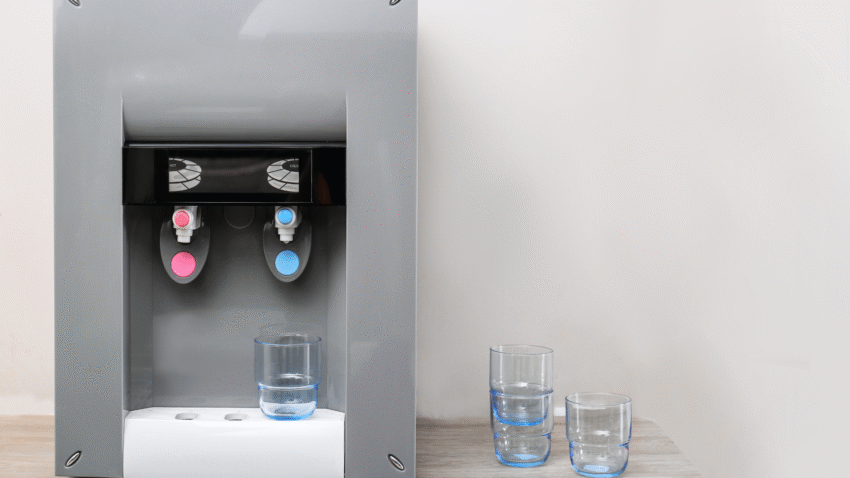
Safe drinking water is essential for health and well-being. To keep drinking water safe, individuals should regularly test their water supply for contaminants and ensure that proper filtration systems are in place. Maintaining high water quality not only protects against illness but also enhances the overall experience of hydration.
Awareness of potential pollutants is crucial. Common issues include harmful bacteria, chemicals, and heavy metals that can compromise water quality. Meanwhile, when contamination or other issues arise, Plumbers can inspect the system, replace damaged pipes, install filtration units, and ensure that water quality is restored and maintained. By staying informed and implementing effective prevention strategies, one can significantly reduce the risks associated with unsafe drinking water.
Implementing practical measures ensures that the water consumed daily remains free from harmful substances. Regular maintenance of plumbing systems, knowing the source of the water supply, and staying educated about local water quality reports are vital steps in safeguarding health.
Understanding Water Contaminants
Water can be compromised by various contaminants that pose risks to health and safety. Identifying these pollutants and their effects is crucial for maintaining clean drinking water.
Types of Contaminants
Contaminants in drinking water can be classified into several categories:
- Chemical Pollutants: These include pesticides, herbicides, and industrial chemicals that may enter water supplies through runoff or improper disposal.
- Heavy Metals: Lead and arsenic are common heavy metals found in water. Lead often leaches from plumbing systems, while arsenic can occur naturally or from industrial processes.
- Biological Contaminants: Bacteria, viruses, and parasites can contaminate water, often originating from sewage or animal waste. These pathogens can lead to serious illnesses.
- Microplastics: Small plastic particles can make their way into water sources, posing potential health risks when ingested.
Awareness of these contaminants helps in recognising potential sources of water pollution.
Effects on Health
Exposure to water contaminants can lead to various health issues.
- Lead: High levels can contribute to developmental problems in children and adverse effects on pregnant women, including miscarriage and developmental delays in the unborn child.
- Arsenic: Long-term exposure is linked to skin, bladder, and lung cancer. It may also cause neurological effects and developmental issues in children.
- Biological Contaminants: Illnesses caused by bacteria or viruses can lead to symptoms such as vomiting, diarrhoea, and fever, affecting individuals’ quality of life significantly.
As awareness of these health risks grows, many affected individuals have often pursued personal injury claims and lawsuits to seek compensation. For example, PFAS chemicals have been at the center of numerous legal actions due to their persistence in the environment and association with serious health problems.
The average pfas payout per person typically varies depending on the severity of illness and duration of exposure, illustrating how the legal system addresses harm caused by these contaminants.
Ultimately, to reduce the risks posed by these pollutants, it is essential to protect oneself through regular water testing and effective filtration methods, ensuring safe drinking water for all.
Water Purification Techniques
Ensuring safe drinking water can be achieved through various purification techniques. These methods offer effective solutions for different circumstances, making it essential to understand each approach.
At-Home Filtration Systems
At-home filtration systems provide a practical solution for improving water quality. These systems can include activated carbon filters, reverse osmosis units, or ceramic filters.
Activated Carbon Filters are particularly effective in removing chlorine, sediment, and volatile organic compounds (VOCs). They are easy to install and maintain.
Reverse Osmosis Systems use a semi-permeable membrane to remove a wide range of impurities, including heavy metals, bacteria, and viruses.
Ceramic Filters remove bacteria and sediment through tiny pores in the ceramic material. Each system has different levels of effectiveness, so selecting one suited to specific needs is crucial.
Boiling Water
Boiling water is a highly effective method of purification. Heat kills pathogens, including bacteria, viruses, and parasites, making it a reliable solution.
To purify water by boiling, it must reach a rolling boil for at least one minute. At higher altitudes, boiling should be extended to three minutes due to lower boiling temperatures.
This method is cost-effective and requires minimal equipment, just a heat source and a pot. However, boiling does not remove chemical contaminants, which may require additional treatment methods.
Chemical Purification
Chemical purification is another viable option for ensuring safe drinking water. Common methods involve using chlorine bleach or water purification tablets.
Chlorine Bleach can be used to disinfect water by adding approximately 2 to 4 drops of unscented bleach per litre and allowing it to sit for at least 30 minutes. This process effectively kills harmful microorganisms.
Water Purification Tablets, often containing iodine or chlorine, are convenient for emergencies and travel. They offer a precise dosage to ensure proper disinfection.
Both methods have limitations and should be used according to manufacturers’ instructions for effectiveness.
Safe Storage and Consumption
Ensuring safe storage and consumption of drinking water is vital for maintaining its quality. Proper methods can significantly reduce the risk of contamination and ensure that water remains safe for use.
Proper Storage Methods
Water should be stored in clean, food-grade containers. Glass or BPA-free plastic bottles are ideal choices, as they do not leach harmful chemicals into the water.
It is important to keep these containers sealed tightly to prevent contamination from the environment. Containers should be stored in a cool, dark place, away from direct sunlight and heat sources, as this can encourage the growth of bacteria.
When refilling bottles, it is crucial to wash them thoroughly with soap and hot water before use. Regularly replacing water storage containers every six months can also help in maintaining water quality.
Choosing Safe Bottled Water
When selecting bottled water, consumers should check labels for the source and purification methods. Spring water, mineral water, and purified water are common types, each with distinct advantages.
Bottled water should have a clear expiration date, indicating that it retains its quality until that time. Avoid brands that do not provide this information.
Look for certifications from health authorities on the label, ensuring the water meets safety standards. In addition, inspect the packaging for any signs of damage or leakage, as these can compromise the water’s safety.
Regulatory Standards and Testing
Regulatory standards are essential for ensuring the safety of drinking water. Rigorous testing protocols are required to monitor and maintain water quality, providing consumers with confidence in their drinking supply.
Compliance with Regulations
Regulatory bodies, such as the Environmental Agency in the UK, set stringent standards for drinking water quality. These standards outline permissible levels for various contaminants, including bacteria, heavy metals, and chemicals.
Water suppliers must comply with these regulations by regularly monitoring their sources. For instance, surface water from rivers and oceans undergoes rigorous testing to detect pollutants. Non-compliance can lead to serious penalties and necessitate immediate corrective actions.
Additionally, measures such as backflow testing are essential to ensure that contaminated water does not flow back into clean water supplies. One can learn more about services that explain the importance of backflow testing, how it safeguards drinking water, and why scheduling it regularly is a key part of maintaining compliance and safety. Utilities must provide annual water quality reports to consumers. These reports clarify the results of testing and any potential health risks associated with the water supplied.
Testing Water Quality
Water quality testing involves numerous methods to ensure safety. Common tests include microbiological assessments, chemical analyses, and physical examinations.
Additionally, to make monitoring more accessible and precise, households and businesses can use a Digital Water Quality Tester. These testers accurately measure vital parameters such as pH, TDS, EC, and ORP, providing real-time insights into the true quality of water.
Microbiological testing identifies harmful organisms like E. coli. Chemical tests measure concentrations of substances such as nitrates and lead. Regular testing helps detect contamination from agricultural runoff or industrial discharge.
Filtration systems may be employed to remove certain impurities found during testing. It is crucial for consumers to understand the quality of their water and know how to access testing services.
By routinely monitoring water quality, stakeholders can proactively address potential safety issues, ensuring access to safe drinking water for all.