
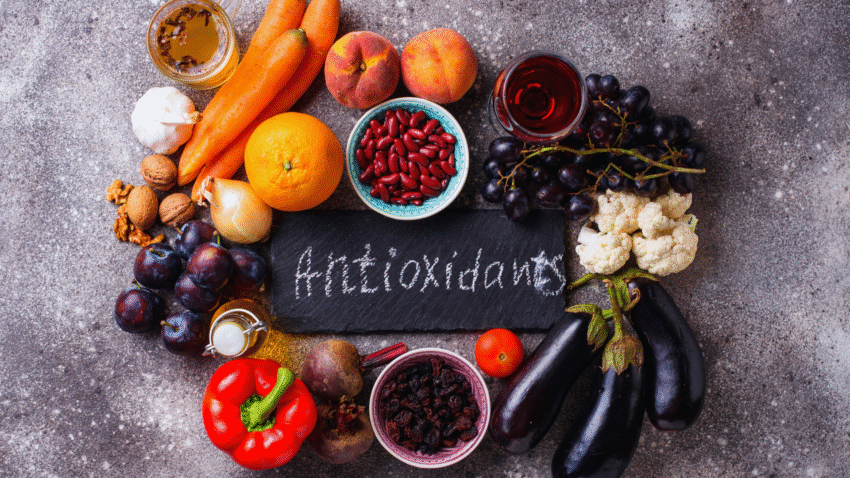
In today’s world, exposure to harmful chemicals is an unfortunate reality, with pollutants infiltrating the air, water, and food supply. Antioxidants play a crucial role in combating these environmental threats by neutralising free radicals and reducing oxidative stress. These naturally occurring compounds, found in fruits, vegetables, and other plant-based foods, help protect the body from the damage caused by toxins.
Understanding the connection between antioxidants and environmental health is vital. As society becomes more aware of the potential risks associated with pollution, the importance of incorporating antioxidant-rich foods into daily diets becomes clear. This awareness not only promotes healthier living but also empowers individuals to take action against the chemical burdens they encounter regularly.
By exploring the ways antioxidants function and their specific benefits, individuals can better appreciate the impact of their dietary choices on overall health. Armed with this knowledge, they can make informed decisions to enhance their resilience against environmental hazards.
Understanding Antioxidants and Oxidants
Antioxidants play a crucial role in combating harmful environmental factors, while oxidants, such as free radicals and reactive oxygen species (ROS), contribute to oxidative stress. Understanding these elements helps elucidate how they interact and impact health.
Role of Antioxidants in Neutralising Free Radicals
Antioxidants are molecules that neutralise free radicals, which are unstable atoms that can cause cellular damage. By providing an electron, antioxidants stop these free radicals from causing harm. Key antioxidants include vitamins C and E, glutathione, and flavonoids.
These compounds are found in various foods, particularly fruits and vegetables. Regular consumption of antioxidant-rich foods can enhance the body’s defence mechanisms against oxidative damage.
They work by stabilising free radicals, preventing them from triggering chain reactions that can lead to cell damage and various diseases.
Oxidative Stress and Reactive Oxygen Species (ROS)
Oxidative stress occurs when there is an imbalance between free radicals and antioxidants in the body. Reactive oxygen species (ROS) are a significant type of free radical that can lead to cellular injury.
When ROS levels exceed the body’s antioxidant capacity, oxidative stress arises, contributing to chronic diseases, including heart disease and cancer. Factors such as poor diet, stress, and environmental toxins can elevate ROS levels, exacerbating this imbalance.
Understanding oxidative stress is vital, as it highlights the importance of maintaining a healthy intake of antioxidants to support bodily functions.
The Impact of Environmental Pollutants on Oxidative Stress
Environmental pollutants, including air pollution and indoor air quality issues, significantly impact oxidative stress levels. Particulate matter and volatile organic compounds can increase ROS concentrations in the body.
These pollutants can originate from sources such as vehicle emissions, industrial activities, and household products. Prolonged exposure to these oxidants can lead to heightened oxidative stress, increasing the risk of various health issues.
Mitigating exposure to environmental stressors and bolstering antioxidant intake can help counteract these effects and promote better health.
Sources of Antioxidants and Their Role in Public Health
Antioxidants are essential for combatting harmful chemicals in the environment. Their presence in various foods contributes positively to public health by reducing oxidative stress and the risk of chronic diseases.
Dietary Sources: Vegetables, Fruits, and Plant-Based Foods
A wide variety of vegetables, fruits, and plant-based foods serve as significant sources of antioxidants. Dark leafy greens like spinach and kale are rich in carotenoids, which offer protective benefits. Berries, such as blueberries and strawberries, contain flavonoids known for their anti-inflammatory effects.
Incorporating a colourful array of fruits and vegetables can enhance antioxidant intake. This includes vibrant options like bell peppers, carrots, and beetroots. Consuming organic produce can sometimes increase antioxidant levels, making these foods even more beneficial for health.
Vitamin C, Vitamin E, and Other Nutrient Antioxidants
Vitamins C and E are some of the most well-known antioxidants. Vitamin C is prevalent in citrus fruits, strawberries, and broccoli. It aids in immune function and skin health by neutralising free radicals.
Vitamin E, found in nuts, seeds, and vegetable oils, protects cell membranes. Other nutrient antioxidants include selenium and minerals that play protective roles in the body. These vitamins not only help in fighting oxidative stress but also contribute to overall well-being.
The Promise of Green Tea and Other Antioxidant-Rich Beverages
Green tea is particularly noted for its high levels of catechins, a type of antioxidant. Regular consumption of green tea has been associated with various health benefits, including improved heart health and metabolism.
Other antioxidant-rich beverages, such as pomegranate juice and kombucha, also contribute to health. These drinks provide a delicious way to increase antioxidant intake while promoting hydration. Including these beverages in a balanced diet can enhance overall antioxidant consumption.
Health Benefits of Antioxidants Against Diseases
Antioxidants provide several health benefits that aid in preventing diseases linked to oxidative stress. They play a crucial role in reducing the risk of serious conditions, enhancing skin health, and supporting the immune system.
Preventative Effects on Cancer and Cardiovascular Disease
Antioxidants, such as vitamins C and E, actively combat harmful free radicals in the body. By neutralising these free radicals, they help reduce oxidative damage to DNA. This mechanism is essential in cancer prevention, as it may lower the risk of mutations that lead to tumour formation.
In cardiovascular health, antioxidants can improve endothelial function and reduce blood vessel inflammation. Regular intake of foods rich in antioxidants, such as berries, nuts, and green leafy vegetables, supports heart health by decreasing the risk of heart disease. Research shows that populations with higher antioxidant consumption tend to have lower rates of these diseases, highlighting their importance in public health.
Antioxidants and Their Influence on Skin Health and Ageing
Antioxidants are vital in promoting skin health and delaying the ageing process. They help protect the skin from damage caused by UV rays and pollution. Antioxidants like coenzyme Q10 and glutathione neutralise oxidative stress, which can lead to skin conditions and premature ageing.
Topical application of antioxidants in creams and serums promotes skin elasticity and reduces wrinkles. Consuming antioxidant-rich foods also improves skin texture and may enhance its natural glow. Regular exposure to antioxidants is linked to healthier, more resilient skin over time.
While topical treatments and healthy diets help maintain skin quality, they have limits when it comes to structural sagging. Over time, gravity and loss of volume lead to deeper folds and loose skin along the jawline. For individuals seeking more significant rejuvenation, surgical options can address these deeper structural changes. A professional facelift Washington DC surgeon can lift and tighten the underlying facial tissues to restore a more youthful contour. This procedure is often combined with other treatments to achieve a balanced and natural appearance.
Many people notice that the area below the chin is especially prone to these changes. Sagging skin and extra fat under the jaw often create a heavy look that does not match a person’s actual weight. A surgical Neck Lift is a common way to target these specific concerns. This procedure tightens loose muscles and removes excess tissue to restore a clean jawline. It is often done at the same time as other facial surgeries to create a balanced look.
The Role in Supporting Immunity and Countering Inflammation
Antioxidants play a significant role in supporting the immune system by mitigating inflammation. Chronic inflammation can lead to degenerative diseases, impacting overall health. Vitamins A, C, and E, along with minerals like zinc and selenium, enhance immune function by neutralising free radicals that can weaken immune response.
In addition, antioxidants contribute to the regulation of inflammatory pathways. This regulation can prevent excessive inflammation that may result in chronic illnesses. A nutrient-dense diet inclusive of antioxidants fortifies the immune system and promotes long-term health.
Considerations for Antioxidant Intake and Safety
Antioxidants play a vital role in combating the effects of environmental toxins. Understanding the balance between natural dietary sources and supplements, alongside considerations for specific populations, enhances their protective benefits.
Balancing Dietary Sources and Antioxidant Supplements
A balanced diet rich in antioxidants can be sourced from fruits, vegetables, nuts, and whole grains. Foods such as blueberries, spinach, and walnuts are particularly high in these beneficial compounds.
While supplements may seem appealing, it’s important to approach them cautiously. Excessive intake can disrupt the body’s natural balance and lead to negative effects.
Individuals should consult healthcare professionals before initiating any supplement regime to ensure appropriate dosage and necessity. Prioritising whole food sources helps achieve the antioxidant intake needed without the risks associated with high-dose supplements.
Environmental Toxins and the Role of Diet and Lifestyle
Environmental toxins such as pesticide residues, plastics, and pollutants in air and water significantly contribute to oxidative stress in the body.
A diet rich in antioxidants can help mitigate these effects. Regular consumption of items like citrus fruits and green leafy vegetables can bolster the body’s defence against these chemicals. Furthermore, lifestyle choices such as regular exercise can improve overall antioxidant capacity.
Minimising exposure to harmful substances is equally crucial. Implementing strategies to reduce contact with cigarette smoke, urban pollution, and toxic household products enhances the protective role of antioxidants.
Guidelines for Smokers and Those Exposed to Pollution
Smokers and individuals living in polluted environments experience heightened oxidative stress. Their bodies require higher levels of antioxidants to counteract the damage inflicted by cigarette smoke and environmental pollutants.
Incorporating foods high in vitamins C and E, along with selenium and beta-carotene, is beneficial. Recommendations include consuming more fruits like oranges and vegetables such as carrots and sweet potatoes.
Additionally, staying hydrated supports detoxification processes. Limiting exposure to cigarette smoke and using air purifiers can drastically improve indoor air quality, further supporting overall health. Individuals in these categories should consult health professionals for tailored advice on antioxidant intake.