
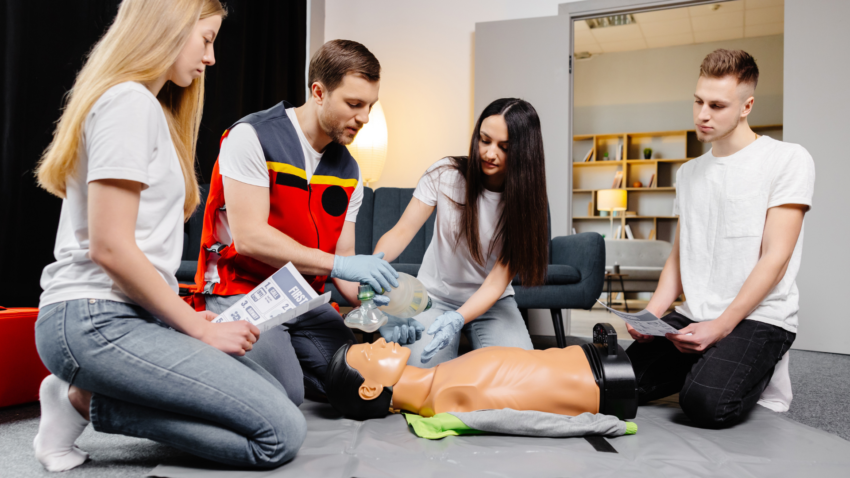
Accidents can happen at any time, making it essential for everyone to know basic first aid skills. Recognizing how to respond effectively in emergencies can save lives and reduce the severity of injuries. Having a grasp of fundamental techniques empowers individuals to act confidently and competently when the need arises.
Many people overlook the importance of first aid, thinking they might never encounter a situation requiring it. In reality, understanding how to treat minor wounds, manage burns, or perform CPR can be invaluable. Learning these skills prepares individuals to deal with unexpected challenges.
This blog post will cover essential first aid basics, addressing common scenarios and practical techniques. Readers will gain insights into how they can make a difference in emergency situations, equipping them with the knowledge required to help others effectively.
Assessing the Situation
Assessing the situation is critical in any first aid scenario. It involves ensuring the safety of the scene, evaluating the affected person’s responsiveness, and determining whether additional help is required.
Ensuring Scene Safety
Before approaching the affected individual, he or she must evaluate the surroundings. Look for hazards such as traffic, fire, or chemical spills. It is vital to remove such dangers to prevent further injury.
He or she should take a moment to observe the environment for any potential risks. If the scene is unsafe, it is best to wait for emergency services or move the affected person only if necessary to avoid injury.
Prioritize the safety of both the rescuer and the individual requiring aid. Personal protective equipment (PPE) like gloves can help reduce exposure to bodily fluids.
Determining Responsiveness
Once the area is secure, he or she should check the individual’s responsiveness. This can be done by gently shaking the person and asking if they are okay.
If there is no response, it is critical to assess for normal breathing. If the person is not breathing or shows abnormal breathing patterns, they may require immediate CPR.
A quick assessment of the airway is also essential. If the person is unconscious, ensure their airway is clear to facilitate proper breathing and prevent choking.
Summoning Help
If the situation appears serious, he or she must summon help right away. Calling emergency services should be prioritized if the individual is not responsive or breathing.
When making the call, provide clear and concise information. State the location, nature of the emergency, and any visible injuries.
If possible, assign someone nearby to make the call while continuing to assist the affected person. This action ensures swift attention to the situation while the rescuer remains focused on providing care.
First Aid Principles
First aid is a crucial response to medical emergencies, focusing on the immediate needs of the injured or ill. Key principles include the primary survey for life-threatening conditions and the secondary survey for additional injuries.
Primary Survey
The primary survey aims to quickly identify and address life-threatening issues. It follows the ABCDE approach:
- Airway: Ensure that the person’s airway is clear. Look for any obstructions and remove them if necessary.
- Breathing: Assess if the person is breathing. Check for normal breathing and provide rescue breaths if not.
- Circulation: Check for signs of circulation, including pulse and severe bleeding. Control any bleeding with direct pressure.
- Disability: Evaluate the person’s responsiveness using the AVPU scale (Alert, Verbal response, Pain response, Unresponsive).
- Exposure: Expose the person to assess for any other injuries while maintaining their privacy.
This survey is essential to prioritize lifesaving interventions.
Secondary Survey
The secondary survey involves a thorough assessment of the person after addressing any critical issues. This process includes:
- History Taking: Gather information about the incident and the person’s medical history.
- Full Body Assessment: Look for injuries not identified in the primary survey. Check for fractures, bruising, or swelling.
- Vital Signs Monitoring: Regularly monitor vital signs, including heart rate, respiratory rate, and blood pressure.
Documenting findings is important for informing emergency services and ensuring proper treatment.
Triage Fundamentals
Triage is the process of prioritizing patients based on the severity of their condition. It helps allocate resources effectively during emergencies. Here are the key categories:
- Immediate (Red): Life-threatening injuries requiring immediate attention.
- Delayed (Yellow): Serious injuries that are not immediately life-threatening. Care can be postponed for a short time.
- Minimal (Green): Minor injuries that can wait for treatment. Patients can assist themselves.
- Expectant (Black): Patients who are unlikely to survive; comfort measures may be provided.
Effective triaging ensures the most critical patients receive care first, maximizing survival rates.
CPR and AED Use
Cardiopulmonary resuscitation (CPR) and the use of automated external defibrillators (AED) are critical skills during a cardiac emergency. Knowledge of these techniques can increase the chances of survival and recovery for individuals experiencing a cardiac event.
CPR for Adults
CPR for adults involves a clear sequence of steps. First, ensure the environment is safe. Check the patient’s responsiveness by tapping and shouting. If unresponsive, call for emergency services.
Begin chest compressions immediately. The correct technique involves placing hands on the center of the chest and pushing down hard and fast. Aim for a rate of 100 to 120 compressions per minute. Compress to a depth of at least 2 inches, allowing full chest recoil between compressions. After every 30 compressions, give 2 rescue breaths if trained to do so.
Continue CPR until professional help arrives or an AED is available.
CPR for Children
Child CPR differs slightly from adult CPR. Similar to adults, ensure safety and check responsiveness first. For infants, tap the foot; for children, use a gentle shake. If unresponsive, call for emergency services or ask someone else to do so.
For children over 1 year, use one or two hands for chest compressions, pressing to about 2 inches deep. For infants, use two fingers and compress about 1.5 inches deep. Maintain the 30:2 compression-to-breath ratio. Rescue breaths may be administered if trained.
Continue CPR until emergency personnel arrive or an AED is available.
Automated External Defibrillators (AED)
An AED is a portable device that can analyze a heart’s rhythm and deliver a shock if necessary. They are designed for ease of use. Most units provide clear audio and visual prompts to guide the user.
To use an AED, first, turn it on and attach the pads to the bare chest as indicated. One pad goes on the upper right chest and the other on the lower left side. Ensure no one is touching the victim during a shock. Follow the AED’s instructions for additional steps.
Using an AED within minutes of cardiac arrest can increase survival chances significantly. They are available in many public spaces and are meant for use by trained or untrained individuals.
Treating Common Injuries
Common injuries require prompt and effective responses. Undergoing one of these One day First Aid Courses in Liverpool (or a similar course elsewhere) can be an efficient and useful way to help people understand how to properly address cuts, burns, fractures, and head injuries. By doing so, individuals will be better prepared to provide preliminary care before emergency services show up, which can minimize complications and promote healing.
Cuts and Abrasions
For cuts and abrasions, it is essential to clean the wound promptly. Start by washing your hands and applying an antiseptic to prevent infection. Remove any debris from the wound using sterile tweezers if necessary.
After cleaning, apply a sterile bandage. If the cut is deep or profusely bleeding, apply direct pressure with a clean cloth until the bleeding slows. Seek medical attention if the wound is large, does not stop bleeding, or shows signs of infection such as redness, swelling, or pus.
Burns
Burns are classified into three degrees: first-degree, second-degree, and third-degree. First-degree burns cause redness and pain, while second-degree burns result in blisters and swelling. Third-degree burns damage deeper tissue.
For first-degree burns, cool the burn under running water for ten to fifteen minutes. Apply aloe vera or a burn ointment afterward. Second-degree burns may require medical assessment if blisters develop. Third-degree burns necessitate immediate medical care. Do not immerse severe burns in water, as it may lead to shock.
Bone Fractures
Recognizing bone fractures involves identifying pain, swelling, and deformity. If a fracture is suspected, keep the injured area immobile and elevate it to reduce swelling. Avoid moving the victim unless absolutely necessary.
Apply a cold pack wrapped in a cloth to alleviate swelling and pain. If an open fracture is present, cover it with a sterile dressing. Call emergency services for medical assistance. Never attempt to realign broken bones on your own, as this can cause further damage.
Head Injuries
Head injuries can vary significantly in severity. Symptoms may include headache, confusion, dizziness, or loss of consciousness. Assess the situation carefully.
If the person shows any of these symptoms, keep them still and calm. Apply a cold compress to reduce swelling. Monitor their condition closely and seek medical help if they show symptoms of a concussion, such as repeated vomiting, seizures, or changes in behavior. Avoid giving them food or drink until evaluated by a healthcare professional.
Medical Emergencies
Medical emergencies require immediate attention and can range from choking to allergic reactions. Recognizing the symptoms and knowing the appropriate responses can make a significant difference in outcomes.
Choking
Choking occurs when an object obstructs the airway. Symptoms include difficulty breathing, coughing, or inability to speak. The person may also exhibit signs of distress, such as grabbing at their throat.
For adults and children over one year, the Heimlich maneuver is effective. Stand behind the person, wrap arms around their waist, and deliver quick upward thrusts just above the navel. Each thrust attempts to expel the obstruction. If the person becomes unconscious, begin CPR and check the mouth for any visible objects before resuming breaths and compressions.
Heart Attack
A heart attack, or myocardial infarction, results from blood flow being blocked to the heart. Common symptoms include chest pain or discomfort, shortness of breath, sweating, and nausea. Women may experience different symptoms like fatigue or lightheadedness.
If a heart attack is suspected, call emergency services immediately. Assist the person into a comfortable position, usually sitting upright. If they are conscious and not allergic, encourage them to chew an aspirin to help thin the blood. Monitor their condition while waiting for professional help.
Stroke
A stroke occurs when blood flow to the brain is interrupted. Symptoms can be remembered using the acronym FAST: Face drooping, Arm weakness, Speech difficulties, and Time to call emergency services.
If stroke symptoms are present, contact emergency services promptly. It is vital to note the time symptoms began, as treatments are most effective when administered quickly. Do not give the person food or drink, as swallowing may be impaired, leading to complications.
Anaphylaxis
Anaphylaxis is a severe allergic reaction that occurs rapidly and can be life-threatening. Symptoms include difficulty breathing, swelling of the throat, hives, and a rapid heartbeat.
Individuals with known allergies should carry an epinephrine auto-injector. If an allergic reaction is suspected, administer the epinephrine immediately and call for emergency assistance. Position the person comfortably, often lying down to improve blood flow, and monitor them closely until professional help arrives.
Environmental Emergencies
Environmental emergencies can have serious effects on health. Understanding how to recognize and respond to conditions like hypothermia, heatstroke, and dehydration is essential for effective first aid.
Hypothermia
Hypothermia occurs when the body loses heat faster than it can produce it. This condition is most likely in cold environments, especially when an individual is wet or exposed to wind. Symptoms include shivering, confusion, and weakness.
To assist someone with hypothermia, first assess the situation. Move the person to a warmer location if possible. Remove wet clothing and replace it with dry, warm layers. Offer warm beverages if the individual is conscious and alert. Avoid alcohol and caffeine.
Signs of Hypothermia:
- Shivering
- Slurred speech
- Slow, shallow breathing
- Weak pulse
Heatstroke
Heatstroke is a life-threatening condition that occurs when the body overheats, often due to prolonged exposure to high temperatures. It presents with symptoms like a high body temperature (104 F or 40 C or higher), confusion, and altered mental state.
Immediate action is crucial in this emergency. Move the individual to a cooler environment. Remove excess clothing and apply cool water to the skin. Use fans or ice packs for rapid cooling. If the person is conscious, provide water or electrolyte drinks.
Signs of Heatstroke:
- High body temperature
- Hot, dry skin
- Rapid pulse
- Headache
Dehydration
Dehydration happens when the body loses more fluids than it takes in. This condition can be caused by excessive sweating, not drinking enough water, or illnesses that lead to vomiting or diarrhea. Symptoms include dry mouth, fatigue, dizziness, and dark-colored urine.
To manage dehydration, encourage the individual to drink fluids. Water is best, but electrolyte solutions can be beneficial, especially in severe cases. Monitor the person’s condition closely. If they show signs of confusion or are unable to keep fluids down, seek medical attention.
Signs of Dehydration:
- Thirst
- Dry skin
- Rapid heartbeat
- Confusion
Preparation and Prevention
Proper preparation and preventive measures are essential in first aid to ensure effective response during emergencies. Key components include having well-stocked first aid kits, developing emergency action plans, and engaging in ongoing training and education.
First Aid Kits
A comprehensive first aid kit is crucial for addressing various medical emergencies. It should contain at least the following items:
- Adhesive bandages (various sizes)
- Sterile gauze pads and adhesive tape
- Antiseptic wipes and antibiotic ointment
- Tweezers and scissors
- Disposable gloves
Regularly checking and updating the contents of the first aid kit is vital. This ensures that supplies are not expired and that items are replenished after use. Additionally, individuals should tailor their kits to specific needs, such as including medications for allergies or chronic conditions.
Emergency Action Plans
An effective emergency action plan outlines procedures for various scenarios, including natural disasters, medical emergencies, or workplace incidents. Key elements of an emergency action plan comprise:
- Clear roles for staff or family members
- Designated meeting points
- A communication strategy for notifying emergency services
The plan should be easily accessible and known to all involved individuals. Regular reviews and drills help reinforce the plan’s effectiveness, making the response more efficient when an emergency arises.
Ongoing Training and Education
Continual training in first aid practices ensures individuals are prepared to handle emergencies confidently. Various options are available, including:
- Certification courses (like CPR and First Aid)
- Online training modules
- Community workshops
For those seeking practical, hands-on experience in life-saving techniques, enrolling in a CPR AED Certification Course, or similar emergency response programs, can be particularly effective. These courses can offer structured guidance on cardiopulmonary resuscitation, AED use, and emergency response protocols. By participating in such programs, individuals not only learn to respond efficiently during cardiac emergencies but also develop the confidence to manage a wide range of medical situations, from minor injuries to severe incidents.
Regular involvement in training sessions further enhances skills and promotes long-term knowledge retention. Additionally, staying updated with new techniques and guidelines is crucial, as first aid practices can evolve. Frequent practice scenarios also help individuals feel more comfortable and capable when facing real-life emergencies.