Of all the things on earth that you can study, one of the most amazing is human anatomy. As humans increase in number, so do their methods of study and knowledge. The human body is an incredibly complex machine, with thousands of parts working together to keep us alive and functioning. Some people have a more intuitive grasp of what goes on within the body than others, but this article will explain some key anatomy points for all levels of understanding.
What is the Human Anatomy?
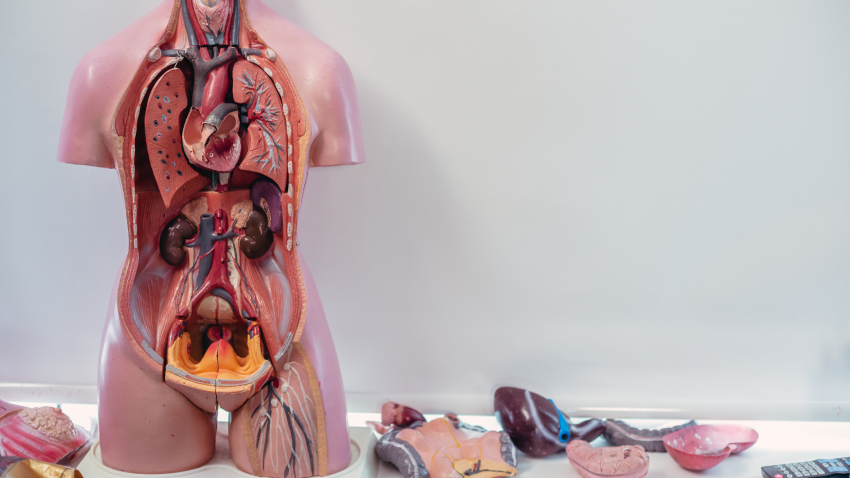
The human body is composed of over 60 different organs, each with its specific functions. The brain, heart, lungs, liver, and intestines are just a few of the many organs that make up the human anatomy. Here are five of the most important things to know about the human anatomy:
- The brain is responsible for all cognitive functions, including memory and navigation.
- The heart is responsible for pumping blood throughout the body.
- The lungs help us breathe and exchange air with the environment.
- The liver processes food and helps rid the body of toxins.
- The intestines contain cells that help digest food.
Delving into these topics can unlock a wealth of knowledge about the structure and function of the human body. Interestingly, for those keen on deepening their understanding, there are avenues to become certified in these topics, with the convenience of online courses. There are options for online a and p courses that can provide a comprehensive exploration of anatomy and physiology, covering everything from the skeletal system to the intricacies of the nervous system.
How Does the Human Body Function?
The human body is composed of trillions of cells that work together to create everything from the muscles and organs that we use every day to keep us alive, to the skin and hair on our heads.
Tissues and Organs
The human body is made up of over 100 trillion cells, which are organized into different tissues and organs. Cells can function correctly because they can communicate with each other using chemicals called extracellular messengers. Extracellular messengers tell cells what to do and when to do it, and they help regulate cell growth and division.
Blood Flow
One key role that extracellular messengers play is in regulating blood flow. Blood flow is important because it delivers oxygen and nutrients to all parts of the body, and removes waste products from the tissues. The arteries and veins that carry blood through the body have tiny valves called tight junctions, which allow only small amounts of water (and not extracellular messengers) between adjacent cells. When blood pressure rises too high, this barrier can become damaged, allowing more water into the vessel than needed. This causes blood vessels to expand (known as hypertension), which can lead to heart disease or stroke.
Another key function of extracellular messengers is in controlling nerve cell activity. Nerve cells send electrical signals throughout the body, telling muscles what to do and when to do it.
How Important is the Structure of the Human Body?
The human body is an amazing and intricate machine. It’s made up of over 60 trillion cells, each with its job to do. Without the right structure, the human body would not be able to function properly. Here are some of the best things to know about human anatomy:
The Human Body Is Made Up Of Over 60 Trillion Cells
Each cell in the human body has a specific function. Without them, the body would not be able to function at all. Each cell is incredibly important for keeping us healthy and functioning properly.
The Human Body Is Organized Into Systems
Every part of the human body is connected to other parts in one way or another. These systems are responsible for everything from breathing to digestion to movement. If one system isn’t working correctly, it can have serious consequences for the entire body.
The Human Body Is Made Up Of Muscles And Bones
Muscles and bones are key components of the human anatomy. Without them, we wouldn’t be able to move or breathe properly. They’re also essential for keeping our bodies strong and healthy. Unfortunately, because they are such an important part of our body, there is a worry that they can get injured. From strains to breaks, it can put us out of work for a while. We can of course prevent this by being aware of what we are doing as well as taking preventative measures such as vitamins, healthy eating, exercise, and stress relief. This can be exercising once a day to going for a swedish massage in Pembroke Pines, FL (or elsewhere), to ease muscle aches and pains. All of it comes together to promote a healthy body.
The Human Body Is Made Up Of Veins and Nerves
Veins and nerves play crucial roles in the human body. Veins are part of the circulatory system, responsible for transporting deoxygenated blood back to the heart after it has delivered oxygen and nutrients to the body’s tissues. This process is vital for maintaining proper blood circulation and ensuring that our organs receive the oxygen they need to function effectively. An instance of vein dysfunction is varicose veins, where the valves within the veins become weakened, causing blood to pool and veins to swell. This problem can lead to complications such as pain, swelling, and even the development of ulcers or blood clots, disrupting proper blood circulation and affecting overall health. If you’re struggling with varicose veins or similar issues, consider consulting vascular surgeons orange county ca, or wherever you reside, to explore treatment options and manage your condition effectively.
Nerves, on the other hand, are essential components of the nervous system, which coordinates and controls bodily functions. They transmit signals between the brain and the rest of the body, allowing us to respond to stimuli, control movements, and maintain homeostasis. Proper nerve function is vital for everything from reflexes to complex cognitive processes.
External Factors and Their Impact on the Body
Alcohol and Substance Effects
Alcohol, drugs, and other substances can interfere with the body’s communication systems, slowing down nerve signals and affecting judgment, coordination, and organ function. Over time, these substances can damage the liver, weaken the immune system, and disrupt normal cell activity, making it harder for the body to maintain balance and proper function.
Stress and Environmental Pressure
Stress triggers the release of hormones that prepare the body for “fight or flight,” increasing heart rate and blood pressure. While useful in short bursts, long-term stress can strain the cardiovascular system, weaken immunity, and affect sleep, digestion, and overall well-being. Environmental pressures—like pollution, noise, or extreme temperatures—can further disrupt the body’s ability to stay regulated.
Trauma and Physical Injuries
Physical trauma places sudden, intense stress on tissues, organs, and the nervous system. Many injuries may affect mobility, brain function, and overall health, requiring extensive medical intervention to help the body recover as much as possible. Additionally, when the trauma from a crash is so severe that the injury becomes catastrophic, it’s not just a medical issue — it’s a legal one, too. In such cases, exploring legal options pertaining to catastrophic injuries in car accidents can be important to make sure victims get the support and compensation they need.
Studying the Human Anatomy
The human anatomy is a complex system that is made up of different tissues, organs, and systems. Knowing about it can help you understand how your body works and can also provide you with insights into health and disease. For example, you can use the human anatomy to better understand how the body functions during everyday activities, such as walking or running. You can also use it to identify potential health problems and figure out how to treat them. In addition, studying human anatomy can help you learn about how the body is designed and how it works. This information can help you better understand the natural world and how things work. If you’re anything like me, you’ve probably been curious about human anatomy for as long as you can remember. After reading this article, you will have a better understanding of some of the key things to know about the human body.
From muscles and bones to organs and systems, knowing what’s inside your own body is an important first step in taking care of it. So next time you feel like asking a friend about their kidneys or wondering why our intestines look oddly shaped, take a little time to educate yourself on the human anatomy first.