
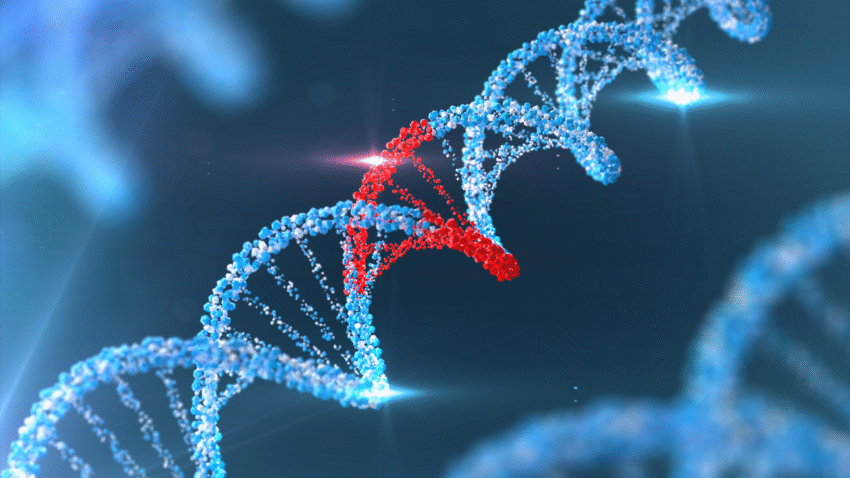
Environmental toxins, found in air pollution, pesticides, and industrial chemicals, have the ability to directly impact DNA. These substances can cause mutations or structural changes within genes, which may affect how cells function and replicate. Exposure to environmental toxins can alter DNA by introducing damage that disrupts normal genetic processes.
Such alterations are not always immediately visible but can lead to serious health issues over time, including an increased risk of cancer and other genetic disorders. The mechanisms behind these changes involve oxidative stress, chemical binding, and interference with DNA repair systems.
Understanding how toxins affect DNA helps highlight the importance of reducing exposure and evaluating environmental risks more carefully. This knowledge is crucial for developing strategies to protect both individual and public health.
Mechanisms by Which Environmental Toxins Alter DNA
Environmental toxins affect DNA through various precise mechanisms, including direct damage to the DNA structure, modification of gene expression without altering the sequence, and interference with cellular processes like repair and replication. These processes often involve reactive molecules and can lead to mutations or disrupted cellular functions.
DNA Damage and Mutagenesis
Environmental toxins such as polycyclic aromatic hydrocarbons and heavy metals cause direct damage to DNA by forming adducts or cross-links. These alterations distort the DNA helix, affecting replication fidelity and increasing the risk of mutagenesis.
Deamination is another form of damage where toxic compounds induce the loss of amine groups in bases, resulting in incorrect base pairing during DNA replication. This can lead to permanent mutations if not corrected.
Mutagenesis arises when errors during replication persist, potentially triggering apoptosis or contributing to disease development. Prolonged environmental exposure heightens the likelihood of these DNA alterations accumulating.
Epigenetic Modifications
Environmental exposure frequently leads to epigenetic changes that regulate gene expression without altering the DNA sequence itself. Toxins can induce DNA methylation changes or modify histone proteins, influencing chromatin structure.
These modifications affect cellular function by turning genes on or off, sometimes silencing tumour suppressor genes or activating oncogenes. Such epigenetic mechanisms can be reversible but may have lasting effects if exposure continues.
Epigenetic alterations serve as a bridge between environmental factors and gene expression, profoundly impacting health by promoting dysregulation linked to toxicology studies.
Role of Oxidative Stress
Many environmental toxins generate reactive oxygen species (ROS) during metabolic processing, causing oxidative stress. ROS are chemically reactive molecules capable of damaging DNA bases, sugar backbones, and inducing strand breaks.
Oxidative DNA damage interferes with normal replication, often producing mutations or chromosomal abnormalities if unrepaired. Persistent oxidative stress can overwhelm cellular defences, escalating genetic instability.
This mechanism highlights the critical relationship between environmental exposure, oxidative stress, and the maintenance of genomic integrity.
DNA Repair and Cellular Response
Cells employ multiple DNA repair pathways to correct toxin-induced damage, such as base excision repair targeting deaminated bases and nucleotide excision repair removing bulky adducts. The efficiency of these systems affects the extent of mutation accumulation.
When repair mechanisms fail or are overwhelmed, cells may activate apoptosis to prevent propagation of damaged DNA. However, defective repair or evasion of apoptosis can contribute to carcinogenesis.
Understanding toxin impact on DNA repair reveals vulnerabilities in cellular responses and the importance of maintaining repair fidelity in the face of environmental insults.
Types of Environmental Toxins and Their Effects on DNA
Environmental toxins differ widely in origin and chemical nature, yet many share the ability to damage DNA directly or interfere with its repair. These substances can cause mutations, distort genetic coding, and increase the risk of diseases by affecting cellular functions.
Heavy Metals and Metalloids
Heavy metals such as lead (Pb), mercury (Hg), and arsenic are well-known for their genotoxic effects. Lead accumulates in tissues, inducing oxidative stress that causes DNA strand breaks and chromosomal aberrations. Mercury interacts with DNA repair enzymes, inhibiting their function and increasing mutation rates.
Arsenic exposure results in DNA methylation changes and chromosomal instability, contributing to carcinogenesis. These metals bind with critical biomolecules, disrupting cellular homeostasis and leading to DNA damage, often through reactive oxygen species (ROS) production. Chronic exposure in industrial or contaminated environments is particularly hazardous.
Pesticides and Industrial Pollutants
Pesticides such as dichlorodiphenyltrichloroethane (DDT) and organophosphates alter DNA by inducing oxidative stress and direct DNA adduct formation. DDT, banned in many countries, remains persistent in the environment and can cause mutations. Organophosphates inhibit enzymes involved in DNA repair, compounding this damage.
Industrial pollutants like polychlorinated biphenyls (PCBs) and dioxins are lipophilic compounds that accumulate in fatty tissues. Their metabolites bind to DNA, causing adducts that distort the genetic code and interfere with replication. These toxins also act as endocrine disruptors, indirectly affecting gene expression and stability.
Plasticisers and Endocrine Disruptors
Plasticisers such as phthalates and bisphenol A (BPA) are widespread environmental chemicals used in polyvinyl chloride and other plastics. They alter hormone signalling pathways and generate oxidative stress, both of which can modulate DNA methylation patterns and cause strand breaks.
BPA is linked to changes in chromatin structure and gene expression that compromise DNA repair. Phthalates have been found to induce DNA damage in germ cells, raising concerns about reproductive health. Their pervasive presence in consumer products presents ongoing exposure risks.
Tobacco Smoke and Airborne Pollutants
Tobacco smoke contains numerous toxicants, including polycyclic aromatic hydrocarbons (PAHs) and heavy metals that bind covalently to DNA, forming bulky adducts. These adducts obstruct DNA replication, increasing mutation frequency and contributing to carcinogenesis.
Airborne pollutants such as dioxins, PCBs, and fine particulate matter deliver oxidative agents to lung tissues. These agents cause DNA strand breaks and promote inflammation that impairs DNA repair mechanisms. Chronic inhalation leads to cumulative genotoxic effects, elevating the risk of respiratory and systemic diseases.
Epigenetic Impacts of Environmental Toxins
Environmental toxins influence gene activity without changing the DNA sequence. These effects occur through chemical modifications that control gene expression, altering cellular function. The following sections focus on different mechanisms by which toxins affect epigenetic regulation.
DNA Methylation
DNA methylation involves adding methyl groups to cytosine bases, often at CpG sites, which typically represses gene transcription. Environmental toxins such as heavy metals, tobacco smoke, and air pollutants can disrupt DNA methyltransferase enzymes, leading to hypomethylation or hypermethylation.
For instance, cadmium exposure can inhibit DNA methyltransferase, causing global hypomethylation and activation of normally silenced genes. Conversely, arsenic promotes hypermethylation in tumour suppressor genes, leading to gene silencing.
These methylation changes affect chromatin accessibility and alter gene expression patterns, contributing to diseases like cancer and developmental disorders.
Histone Modifications
Histones package DNA into chromatin and control gene transcription by changing DNA accessibility. Environmental toxins can alter histone post-translational modifications such as acetylation, methylation, and phosphorylation.
Toxins like dioxins and polycyclic aromatic hydrocarbons affect histone acetylation by modulating histone acetyltransferases (HATs) and deacetylases (HDACs). Decreased histone acetylation tightens chromatin, causing gene silencing, while increased acetylation loosens chromatin for active transcription.
These modifications impact the binding of the transcriptional machinery and alter the expression of genes regulating cell growth and immune responses.
Non-coding RNA Regulation
Non-coding RNAs (ncRNAs) such as microRNAs (miRNAs) and long non-coding RNAs (lncRNAs) modulate gene expression post-transcriptionally. Environmental toxins disrupt ncRNA expression profiles, influencing RNA stability and translation.
For example, exposure to bisphenol A (BPA) changes miRNA expression involved in cell cycle regulation. Altered miRNAs can suppress or enhance target mRNAs, affecting protein levels critical for detoxification and cellular stress responses.
Thus, ncRNA dysregulation represents a significant pathway through which toxins alter gene networks and cellular functions.
Transgenerational Inheritance
Some epigenetic changes induced by environmental toxins can be passed to offspring through germ cells, affecting future generations without direct exposure. This involves stable alterations in DNA methylation patterns, histone marks, or ncRNA profiles in eggs or sperm.
For instance, studies on vinclozolin, a pesticide, reveal altered DNA methylation in sperm, causing developmental abnormalities in descendants. These heritable epigenetic alterations highlight how toxin exposure can have lasting impacts beyond immediate individuals.
This mechanism raises concerns about long-term population health consequences linked to environmental contaminants.
Health Consequences and Disease Outcomes
Environmental toxins can disrupt critical biological processes, leading to significant health risks. These disturbances impact cellular function, gene expression, and increase the susceptibility to a range of diseases.
Cancer and Tumourigenesis
Exposure to toxins such as polycyclic aromatic hydrocarbons (PAHs) and heavy metals like arsenic can cause DNA mutations that promote cancer development. These mutations often affect tumour suppressor genes and oncogenes, initiating uncontrolled cell growth.
The United States Environmental Protection Agency (EPA) recognises several environmental factors as carcinogens, linking prolonged exposure to elevated cancer incidence. For example, benzene exposure is associated with leukaemia, while aflatoxins increase liver cancer risk.
DNA damage from toxins can also interfere with repair mechanisms, allowing mutated cells to proliferate. This cumulative genetic alteration significantly raises the risk of tumourigenesis.
Developmental and Neurological Disorders
Toxins can disrupt developmental processes by altering DNA and gene expression during critical growth periods. Chemicals like lead and mercury interfere with neurodevelopment, causing cognitive impairments and behavioural disorders.
Prenatal exposure to polychlorinated biphenyls (PCBs) has been linked to deficits in motor skills and attention. These toxins may modify epigenetic markers, changing how genes are expressed without altering the DNA sequence.
Such disruptions during early stages carry long-term consequences, increasing vulnerability to neurological diseases like autism spectrum disorder and attention deficit hyperactivity disorder (ADHD).
Gene Expression and Cellular Function
Environmental toxins can alter gene expression through epigenetic modifications such as DNA methylation and histone modification. These changes disrupt normal cellular function by silencing or activating key genes.
For instance, exposure to dioxins can increase the expression of inflammatory genes, contributing to chronic diseases. Similarly, diminished expression of DNA repair genes due to toxin exposure compromises genomic stability.
Altered gene expression affects metabolism, cell cycle regulation, and immune responses, demonstrating how environmental factors influence fundamental cellular activities.
Potential for Therapeutic Intervention
Understanding DNA alterations from environmental toxins opens avenues for targeted therapeutic interventions. Epigenetic modifications are reversible, prompting research into drugs that restore normal gene expression patterns.
Nutritional elements like DHA (docosahexaenoic acid) show promise in protecting against DNA damage and supporting cellular repair mechanisms. These interventions could mitigate disease outcomes associated with toxin exposure.
Ongoing studies focus on personalised treatments that address gene-environment interactions, aiming to reduce the burden of toxin-related diseases through precise medical approaches.