
Animals living in harsh environments face extreme temperatures, limited food, and scarce water. Over generations, they develop genetic changes that improve their survival chances in these tough conditions.
Genetic adaptation allows animals to optimise physical traits or metabolic functions, enabling them to thrive where other species cannot. These adaptations can include altered fur density, specialised enzymes, or efficient water retention systems.
Understanding these genetic shifts offers insight into how species persist despite environmental stress. This knowledge can also inform conservation efforts as habitats continue to change.
Genetic Mechanisms of Animal Adaptation
Genetic adaptation in animals is driven by several interconnected processes that shape survival prospects and evolutionary trajectories. Key factors influence how genetic diversity and molecular changes improve resilience in harsh environments.
Role of Mutation and Variation in Survival
Mutation generates new genetic variants by altering DNA sequences. These random changes can be neutral, harmful, or beneficial depending on environmental conditions. In harsh environments, rare beneficial mutations may provide traits that enhance survival, such as increased heat tolerance or efficient resource use.
Variation arises from mutation and recombination, increasing the gene pool’s diversity within populations. This diversity is crucial as it offers multiple genetic options for natural selection to act upon. Organisms with higher genetic variation are more likely to contain adaptations favourable to changing or extreme conditions.
Genomics tools now allow scientists to identify specific mutations linked to adaptive traits. For example, single-nucleotide polymorphisms (SNPs) can pinpoint genetic changes correlated with drought resistance or cold tolerance.
Natural Selection and Adaptive Evolution
Natural selection acts as a filter, promoting alleles that increase fitness in a given environment. Adaptive evolution results when these beneficial alleles steadily increase in frequency across generations. This process refines traits critical for survival in challenging habitats.
Selective pressures vary by environment. Predation, climate, and resource availability shape different adaptive responses. For example, desert animals may evolve genes controlling water retention mechanisms, while Arctic species favour those affecting insulation or metabolic rates.
Evolutionary processes are not solely gradual; significant adaptation sometimes occurs via rapid shifts in allele frequencies due to strong environmental stress. Populations experiencing harsh conditions can thus evolve quickly if sufficient genetic variation exists.
Epigenetics and Phenotypic Plasticity
Epigenetic modifications alter gene expression without changing the DNA sequence. These reversible changes, such as DNA methylation or histone modification, enable organisms to adjust rapidly to environmental stresses.
Phenotypic plasticity permits animals to change their physiology or behaviour in response to external challenges. This flexibility can be genetically regulated and may provide a survival advantage before genetic adaptation occurs.
Combined, epigenetics and plasticity play a vital role in short-term adaptation and can influence long-term evolutionary paths. They enhance biodiversity by enabling organisms to cope with variable environments while genetic evolution unfolds across generations.
Adaptations to Extreme Environments
Animals living in extreme environments develop genetic traits enabling survival amid temperature extremes, scarce water, or low oxygen. These adaptations often involve changes in metabolism, body structure, and physiological processes to maintain homeostasis.
Survival Strategies in Deserts
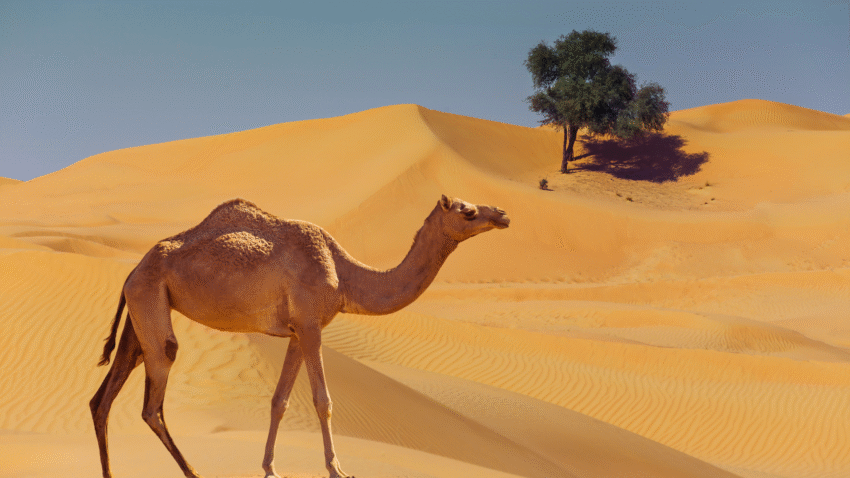
Desert animals, such as camels, show specialized genetic traits to conserve water and manage heat. Camels store fat in humps, which can be metabolised into water and energy. Their kidneys efficiently concentrate urine, reducing water loss.
Many desert species have genetic adaptations for nocturnal activity, avoiding daytime heat. Spines or scales often provide protection while reducing airflow and water loss, as seen in some desert reptiles.
These adaptations combined allow survival in environments with minimal water and extreme temperatures, highlighting genetic control over physiological and behavioural traits.
Cold Climate Adaptations
Polar bears and arctic foxes exhibit genetic changes that promote insulation and heat retention. Polar bears possess dense, oily fur and a thick fat layer, which minimizes heat loss in Arctic conditions.
Arctic foxes alter coat colour seasonally through gene expression for camouflage and temperature regulation. Their compact bodies reduce surface area, limiting heat loss.
Some species, like the wood frog, produce antifreeze proteins genetically encoded to prevent cell damage during freezing. Such traits improve survival despite daily and seasonal temperature extremes.
High-altitude Adaptation
Animals living at high altitudes face low oxygen and cold temperatures, resulting in genetic adaptations affecting blood and metabolism. These include increased haemoglobin affinity for oxygen, as seen in some Himalayan mammals and high-altitude birds.
Whales, though marine, share genetic adaptations related to oxygen management for deep diving, illustrating convergent evolution in low oxygen environments.
Other adaptations involve enhanced mitochondrial efficiency and altered cardiovascular responses. These changes improve oxygen delivery and energy use under hypoxic conditions common at altitude.
Case Studies of Genetically Adapted Animals
Genetic adaptations allow species to survive extreme climates by altering physiological and behavioural traits. These changes often involve temperature regulation, water retention, and metabolic adjustments.
Polar Bears: Masters of the Arctic
Polar bears evolved from brown bears around 400,000 years ago, acquiring traits suited for the Arctic cold. Their fur is translucent and hollow, providing excellent insulation and camouflaging them in snow. A thick layer of fat, sometimes up to 11 centimetres, helps retain heat.
Genetic studies reveal mutations in genes related to fat metabolism, enabling polar bears to efficiently process high-fat diets from seals. They also have specialised nasal passages that warm cold air before it reaches the lungs.
These adaptations collectively support survival in Arctic conditions where temperatures can drop below -40°C.
Camels: Desert Survival Experts
Camels possess genes that regulate water retention and reduce water loss through urine and sweat. Their kidneys are highly efficient, enabling them to reabsorb water and survive for long periods without drinking.
They also have specialised red blood cells that can swell without bursting, allowing hydration after drinking large amounts. Genetic changes affect fat storage in their humps, providing an energy reserve without insulating the body and overheating it.
Camels can tolerate extreme heat, often exceeding 40°C, thanks to these combined traits, which reduce water dependency.
Wood Frogs: Surviving Deep Freezes
Wood frogs endure being frozen during harsh winters by halting their metabolism and using glucose as a natural antifreeze. Genes controlling glucose production elevate blood sugar rapidly when temperatures fall below freezing.
Ice forms in body cavities but not inside cells, preventing cellular damage. Antioxidant production genes become active on thawing, protecting the frog from injury when normal metabolic function restarts.
This genetic freeze tolerance allows wood frogs to inhabit environments with sub-zero temperatures for extended durations.
Arctic Foxes: Seasonal Adaptation
Arctic foxes possess genetic variations that influence coat colour changes in response to seasons, improving camouflage against snow and tundra. These changes are regulated by genes controlling melanin production.
They also have mutations in fat metabolism genes, enabling fat accumulation before winter to provide insulation and energy reserves. The fox’s body size and shape follow Allen’s Rule genetically, with smaller extremities reducing heat loss.
Together, these adaptations support survival in temperatures as low as -50°C and seasonal environmental shifts.
Long-term Impact of Genetic Adaptation
Genetic adaptation alters key traits that affect survival and reproductive success over many generations. These changes influence offspring traits and impact a species’ ability to persist under ongoing environmental stress. The balance between adaptation benefits and risks shapes population dynamics and extinction likelihood.
Influence on Reproduction and Offspring
Genetic adaptations often enhance reproductive fitness in harsh environments by improving fertility rates or offspring viability. For example, some desert animals develop mutations that reduce water loss, enabling females to better support gestation and lactation.
Adaptations can also modify offspring characteristics directly. Species in extreme cold sometimes pass on genes for thicker fur or efficient metabolism, increasing juvenile survival rates. These inherited traits become fixed in populations through natural selection, gradually shaping reproductive success.
However, some adaptations may come with trade-offs. Strong selection for specific traits can reduce genetic diversity, limiting adaptability in future generations. This can constrain reproductive potential if environmental conditions suddenly change.
Genetic Adaptation and Extinction Risk
Genetic adaptation can lower extinction risk by increasing resilience to environmental extremes. Populations with beneficial adaptations tend to maintain stable numbers despite fluctuating conditions, reducing the chance of population collapse.
Conversely, rapid environmental change may outpace adaptive capacity, especially if mutations arise too slowly or if genetic diversity is low. Specialist species with highly specific adaptations risk extinction if their habitat disappears or conditions shift beyond their tolerance.
Table: Factors affecting extinction risk related to genetic adaptation
| Factor | Effect on Extinction Risk |
| High genetic diversity | Decreases risk, supports adaptation |
| Specialist adaptations | Increases risk if the environment shifts |
| Rapid mutations | Decreases risk, aids quick adaptation |
| Limited gene flow | Increases risk, reduces adaptive potential |
Therefore, genetic adaptation influences long-term species survival by mediating how well populations reproduce and respond to environmental challenges.