
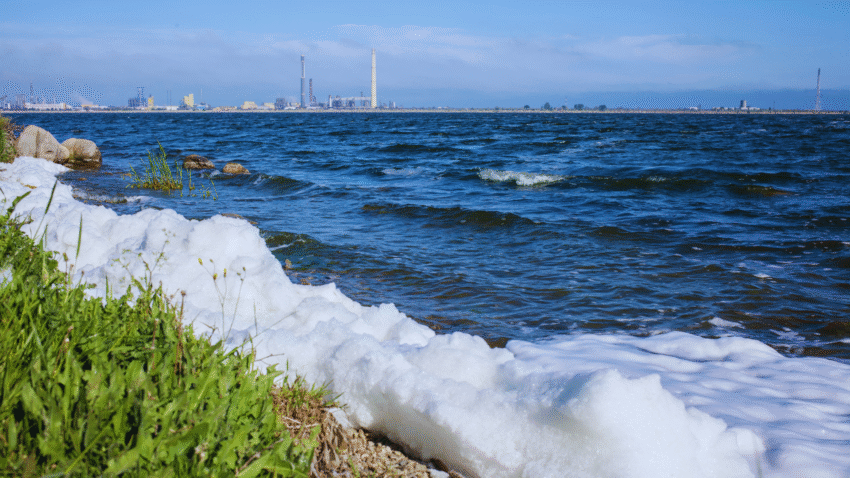
Environmental health hazards are all around, often hidden in plain sight. Individuals can play a vital role in safeguarding themselves and their communities. Knowing how to identify potential dangers in air quality, water safety, and chemical exposure is crucial for maintaining public health.
Many environmental factors contribute to health risks, such as pollution, waste management issues, and exposure to toxic substances. Awareness of these risks empowers individuals to take precautionary measures. Learning to recognise warning signs and understanding the sources of environmental health threats can lead to more effective personal and community protection.
By developing a keen eye for common environmental hazards, people can significantly influence their well-being. Taking proactive steps not only enhances personal health but also contributes to the broader goal of public health improvement.
Identifying Environmental Health Hazards
Recognising environmental health hazards is essential for protecting human health. Key areas of concern include air and water quality, chemical pollutants, and biological factors that influence safety and wellbeing.
Air and Water Quality Concerns
Air quality significantly impacts health, with common pollutants like ozone and particulate matter contributing to respiratory diseases and asthma. Sources of air pollution include vehicle emissions, industrial discharges, and household products that release volatile organic compounds (VOCs).
Water quality is equally crucial. Contaminants, such as heavy metals like mercury and chemicals like BPA, can enter water supplies through industrial runoff or leaching from pipes. Monitoring local water reports and testing for contaminants can help identify risks.
Both air and water pollutants pose long-term health risks, making awareness and testing vital for prevention.
Chemical and Physical Pollutants
Chemical pollutants are widespread in various environments. Radon, a colourless gas, often accumulates in homes, especially in areas with poor ventilation, leading to serious health risks, including lung cancer.
In addition, physical pollutants such as asbestos and lead remain a concern in older buildings. Homeowners should consider professional assessments for these substances during renovations or when purchasing older properties.
Staying informed about chemical exposure, especially in residential and occupational settings, can reduce risks associated with these dangerous substances.
This is particularly relevant for anyone managing chemical safety on a larger scale, such as in a workplace or industrial setting, where dozens or hundreds of substances may need to be tracked at once. In these environments, a chemalert sds database can help safety teams keep hazard information current and accessible, reducing the chance that a chemical risk goes unnoticed until it becomes a health issue for workers. Whether at home or at work, staying ahead of chemical risks comes down to the same principle: know what you’re dealing with before it becomes a problem.
Biological Factors and Environmental Conditions
Biological hazards include allergens like mould, pollen, and dust mites, which can exacerbate respiratory diseases. Mould growth can occur in damp conditions, leading to potential health issues, especially for vulnerable individuals.
When moisture builds up in walls or basements, spores can multiply quickly. This growth often goes unnoticed until a musty smell develops or residents start sneezing. Homeowners who suspect an issue often contact a professional for local mold removal to inspect the property. Experts have the right tools to find hidden moisture sources and clear the air. Early action stops the problem before it spreads to other rooms.
Moisture problems often start at the very top of a house. When warm, humid air gets trapped under the roof, it creates a perfect environment for mold to grow. This is why proper airflow in the upper levels of a home is so important. Homeowners can prevent these issues by working with an attic ventilation specialist to evaluate their roof vents. These professionals install systems that keep air moving and keep humidity levels low. Taking this step protects both the roof structure and the air quality inside the living spaces.
Environmental conditions such as climate change can also heighten the risk of biological hazards by influencing the prevalence of disease vectors, such as mosquitoes and ticks.
It is crucial to address these biological risks through proper ventilation, humidity control, and community awareness efforts to mitigate their impact on human health.
Health Impacts of Environmental Risks
Environmental risks can lead to various health issues, affecting populations differently based on exposure levels. Understanding the two main areas of impact—chronic diseases and acute health reactions—provides insight into the broader implications of environmental health hazards.
Chronic Diseases and Conditions
Chronic diseases such as cancer, heart disease, and diabetes can be linked to environmental factors. Long-term exposure to pollutants, including heavy metals and pesticides, has been associated with increased cancer rates. Studies indicate that air pollution contributes significantly to cardiovascular disorders, leading to heart attacks and strokes.
Moreover, environmental stressors can exacerbate existing health conditions. For example, individuals with diabetes may face heightened risks if exposed to certain chemicals. Additionally, the built environment, including housing quality and urban design, plays a crucial role in determining the prevalence of chronic diseases.
Acute Health Reactions
Acute health reactions often occur suddenly and can manifest as respiratory symptoms, skin irritations, or allergic responses. These reactions may arise from exposure to toxic substances like asbestos or chemicals found in household cleaners. Notably, urban areas with higher pollution levels report increased cases of asthma, particularly among children.
Violence and mental health issues can also emerge in communities facing severe environmental stressors. Individuals may experience anxiety or depression related to environmental degradation or health concerns. Recognising these risks enables targeted public health interventions to mitigate the immediate and long-term health impacts associated with environmental hazards.
Mitigation and Prevention Strategies
Mitigation and prevention of environmental health dangers require a multifaceted approach. Effective strategies involve a blend of policies and individual or community actions that address various environmental issues.
Policy and Regulations
Policy and regulations play a crucial role in safeguarding environmental health. The Environmental Protection Agency (EPA) establishes standards for clean air and clean water, striving to protect public health.
Governments implement regulations based on risk assessments to evaluate potential hazards. Policies often incorporate principles of environmental justice, ensuring that vulnerable populations receive protection from environmental hazards.
Local and national governments may also promote sustainable practices to combat climate change. For instance, emissions regulations for industries reduced air pollution and fostered a cleaner environment.
Regular review and updates to these regulations are essential to adapting to emerging environmental challenges.
Community and Individual Action
Community and individual actions are vital for addressing environmental health risks. Community engagement fosters collective action for local environmental issues, such as reducing plastic waste or promoting clean-up initiatives in public spaces.
Individuals can contribute by adopting sustainable practices, such as using public transport, conserving water, and reducing energy consumption. It is essential for individuals to stay informed about local environmental policies and participate in public forums.
Regular educational programmes can enhance awareness of environmental health risks. Resources from reputable sites like study.com provide valuable information on the impact of small changes in daily behaviour.
Together, community efforts and individual responsibilities form a significant barrier against environmental health dangers.