
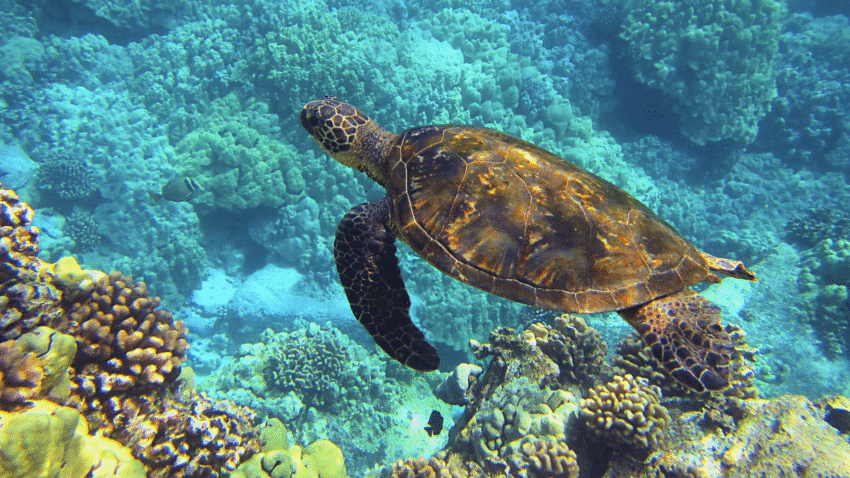
Ocean acidification represents a significant threat to marine life, driven primarily by the increasing levels of carbon dioxide in the atmosphere. This excess CO2 is absorbed by seawater, resulting in chemical reactions that lower the pH levels of the ocean, creating a more acidic environment. This shift in ocean chemistry adversely impacts various species, particularly those with calcium carbonate shells or skeletons, such as corals and shellfish.
As ocean acidity rises, it hinders the ability of marine creatures to form and maintain their shells and skeletons, leading to weakened structures and increased vulnerability to predators. Coral reefs, which provide vital habitats for numerous marine species, are particularly affected, facing challenges not only from acidification but also from climate change-induced stressors. The decline of these ecosystems can have far-reaching implications for biodiversity and the health of the ocean.
Addressing the impacts of ocean acidification requires urgent action to reduce carbon emissions and mitigate climate change. Understanding the consequences of these changes on marine life is crucial for developing effective conservation strategies and promoting a sustainable future for the oceans.
The Science of Ocean Acidification
Ocean acidification results from increased carbon dioxide (CO₂) levels in the atmosphere, affecting marine ecosystems. The following subsections explore the chemical processes involved, changes in ocean chemistry, and the role of fossil fuels in exacerbating these effects.
Chemical Process and Role of CO2
When CO₂ is absorbed by seawater, it undergoes a series of chemical reactions. Initially, CO₂ reacts with water (H₂O) to form carbonic acid (H₂CO₃). This acid then dissociates into bicarbonate (HCO₃⁻) and hydrogen ions (H⁺). The increase in hydrogen ions raises the acidity of the water, thereby decreasing the pH levels.
As the concentration of CO₂ continues to rise, more carbonate ions (CO₃²⁻) become unavailable for marine organisms that build shells and skeletons. This disruption significantly impacts species such as corals, molluscs, and certain plankton, which rely on these carbonate ions for their structural integrity.
Ocean Chemistry Changes
The ongoing absorption of CO₂ alters the chemistry of oceans, with significant implications for marine life. Increased hydrogen ion concentrations lower pH levels, resulting in more acidic conditions. The ocean has absorbed approximately 30% of emitted CO₂ since the industrial revolution, leading to an average ocean pH drop of 0.1 units.
This shift affects the balance of carbonate ions in seawater. As carbonate ion concentration declines, organisms face challenges in calcification, weakening their shells and structures. Furthermore, alterations in ocean chemistry can disrupt entire ecosystems, affecting food chains and species diversity.
Impact of Fossil Fuels
Fossil fuel combustion is a primary driver of increased atmospheric CO₂ levels. Power plants, vehicles, and industrial processes release significant quantities of CO₂, which eventually seep into the ocean. The burning of fossil fuels accounts for the majority of CO₂ emissions, intensifying ocean acidification.
As CO₂ emissions rise, the ocean’s capacity to absorb excess carbon diminishes. This situation leads to more negative consequences for marine organisms and ecosystems. Reducing reliance on fossil fuels is essential for mitigating ocean acidification and preserving the health of marine life.
Effects on Marine Ecosystems and Biodiversity
Ocean acidification significantly impacts marine ecosystems and biodiversity, disrupting delicate relationships among species. Changes in water chemistry affect critical habitats and food sources, leading to cascading effects throughout the marine environment.
Coral Reefs Degradation
Coral reefs are particularly vulnerable to ocean acidification. The decrease in pH levels impairs the ability of corals to produce calcium carbonate, which is essential for building their skeletons. This slowdown results in weaker structures that can be more easily damaged by storms and other pressures.
The degradation of coral reefs has far-reaching consequences. Many marine species depend on these ecosystems for shelter and food. The loss of biodiversity can lead to a diminishment of ecosystem services, affecting fisheries and tourism that rely on healthy reefs.
Food Web Alterations
The changes in marine chemistry trigger shifts in species composition within food webs. Acidification affects phytoplankton, the foundation of the marine food web, inhibiting its growth and productivity. This reduction can ripple through the food chain, impacting species from zooplankton to larger fish.
Additionally, species that rely on calcium carbonate, such as shellfish and certain plankton, struggle to survive and reproduce. Their decline can lead to a decrease in available prey for larger fish, impacting overall fish populations and altering ecosystem dynamics.
Fisheries and Aquaculture
Ocean acidification presents challenges for fisheries and aquaculture. Species such as oysters, clams, and mussels are particularly sensitive to changes in acidity, affecting their growth and survival rates. Increased mortality rates can lead to reduced catches and economic losses for fishermen.
Furthermore, aquaculture operations are at risk as weakened shellfish populations can diminish harvests. This reduction can jeopardise food security and economic stability for communities reliant on these industries. The interconnected nature of these systems means that the impacts of acidification can create complex challenges for marine resource management.
Consequences for Coastal Communities and Economies
The effects of ocean acidification extend beyond marine ecosystems, influencing the stability and prosperity of coastal communities. Key areas impacted include seafood supplies, coastal protection, and industries reliant on tourism.
Threat to Seafood Supplies
Ocean acidification poses a significant threat to shellfish populations, including oysters, clams, and sea urchins. These species are vital as they provide a primary source of protein for many coastal communities. Declining shellfish stocks can lead to reduced availability of seafood, which may increase prices and limit accessibility for consumers.
The fishing industry suffers as acidification affects the growth and survival of these organisms. Reduced populations may also endanger the livelihoods of those who depend on fishing, leading to job losses and economic instability in coastal areas.
Impact on Coastal Protection
Coastal ecosystems, particularly those involving shellfish, play a crucial role in protecting shorelines from erosion. Oysters and other bivalves help stabilise sediment and mitigate wave energy. As ocean acidification diminishes their populations, the effectiveness of these natural barriers declines.
Consequently, increased erosion could threaten infrastructure and property in coastal regions. Heightened vulnerability of these areas may necessitate costly intervention measures, placing additional financial strain on local governments and communities.
Risks to Tourism and Livelihoods
Coastal tourism, including eco-tourism, relies heavily on healthy marine ecosystems. Ocean acidification can diminish marine biodiversity and lead to the decline of aesthetically pleasing species, affecting visitor experiences.
As marine life is impacted, recreational fishing and diving may also suffer, deterring tourists. This decline could significantly affect local economies, as tourism often constitutes a primary source of income for communities. Reduced visitor numbers may lead to job losses in hospitality and service sectors essential for coastal livelihoods.
Moving Forward: Mitigation and Adaptation Strategies
Addressing ocean acidification requires a multifaceted approach. Key strategies include reducing carbon emissions, improving hatchery practices, and implementing robust conservation efforts.
Reducing Carbon Emissions
To combat ocean acidification, significantly reducing carbon emissions is essential. Fossil fuel consumption is a primary driver of increased atmospheric CO2, which leads to more acidic ocean waters.
Strategies include:
- Transitioning to renewable energy sources, such as solar and wind.
- Implementing energy efficiency measures in various sectors, including transportation and industry.
- Promoting carbon capture technology that can filter CO2 from emissions before they enter the atmosphere.
Effective policies can incentivise lower emissions through regulations and economic mechanisms like carbon pricing. Global cooperation is vital to achieve meaningful reductions in greenhouse gases.
Advancement in Hatchery Practices
Improving hatchery practices can enhance the resilience of marine species to ocean acidification. Hatcheries can play a critical role in ensuring the survival of vulnerable species by mimicking natural environments.
Techniques include:
- Using controlled conditions that adjust pH levels to acclimatise young organisms to future ocean conditions.
- Implementing selective breeding aimed at enhancing resistance to acidic conditions in species like shellfish and some fish.
Research into using integrated multi-trophic aquaculture (IMTA) can also improve habitat sustainability by maintaining diverse ecosystems. These advancements could help maintain fish populations crucial for marine biodiversity.
Conservation Efforts
Robust conservation efforts can mitigate the impacts of ocean acidification on marine ecosystems. Protecting habitats such as coral reefs, seagrasses, and mangroves is essential for maintaining environmental stability.
Key initiatives include:
- Establishing marine protected areas (MPAs) that limit human activity, allowing ecosystems to recover and adapt.
- Supporting restoration projects that revitalise degraded habitats, thus enhancing their capacity to cope with acidification.
- Promoting sustainable fishing practices to prevent over-exploitation of sensitive species.
Community engagement and education about these conservation efforts are crucial. Mobilising local stakeholders ensures that initiatives are effective and sustainable.