

Personal protective equipment (PPE) plays a crucial role in safeguarding health across various environments, particularly in occupational settings. The effective use of PPE not only protects individuals from hazardous exposures but also contributes to broader public health measures, especially highlighted during the COVID-19 pandemic. As workplaces and public areas face a range of risks, from infectious diseases to hazardous materials, the correct use of PPE is essential for maintaining safety and well-being.
Occupational safety and health professionals emphasise the importance of PPE in minimising the risk of injury and illness. In industries where workers are exposed to harmful substances or infectious agents, appropriate protective gear can mean the difference between health and serious health complications. This is particularly relevant in the context of recent global health challenges, which have underscored the need for rigorous safety protocols and personal protection.
Understanding the necessity of PPE extends beyond a mere compliance requirement; it reflects a commitment to protecting not only individual workers but also the community at large. As awareness grows about occupational hazards and public health threats, the emphasis on PPE as a fundamental component of safety strategies becomes increasingly clear.
The Role of PPE in Health and Safety
Personal protective equipment (PPE) plays a vital role in safeguarding health and safety in various environments. Effective use of PPE can significantly reduce the risk of injuries and illnesses, and it is particularly essential during infectious disease outbreaks, such as Covid-19.
Preventing Workplace Injuries and Illnesses
PPE is a critical element in preventing workplace injuries and occupational illnesses. By using items such as gloves, goggles, and safety glasses, workers can shield themselves from chemical spills, sharp objects, and harmful particles. Regulatory standards mandate that organisations conduct thorough risk assessments to determine the necessary PPE for different tasks.
Common types of PPE include:
- Gloves: Protect hands from chemicals and biological hazards.
- Masks and Respirators: Filter airborne contaminants.
- Gowns: Ensure full-body protection in specific settings.
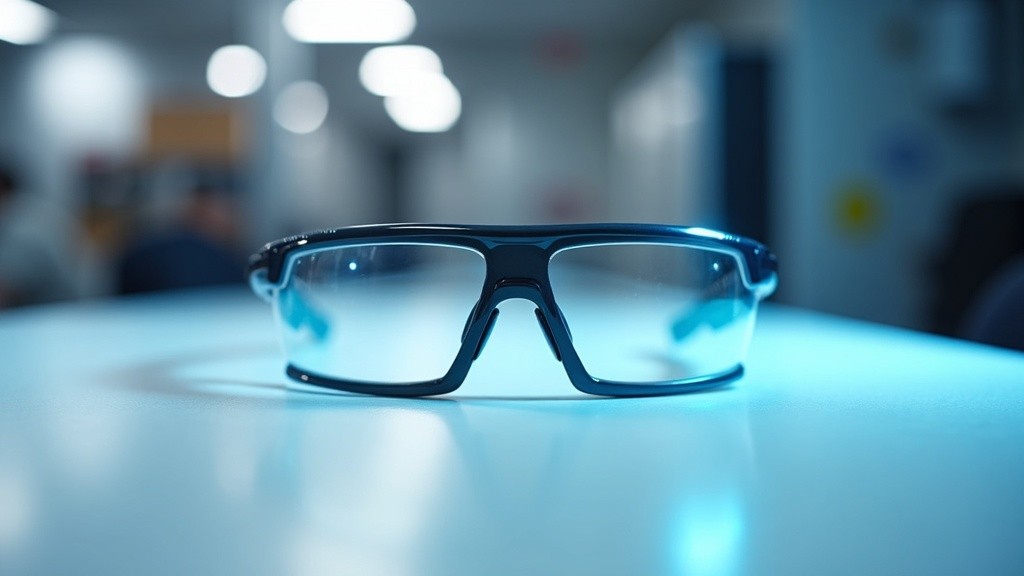
- Eye Protection: Shields against splashes and projectiles.
Employers must also implement administrative controls and provide training to ensure effective use of PPE. Regular checks help maintain equipment integrity and compliance with safety regulations.
Beyond PPE and training, engineering and environmental controls are essential for preventing slips, trips and falls in industrial settings. Durable, textured floor coverings such as chequer plates provide a robust, anti-slip surface that withstands heavy traffic, chemical exposure and regular cleaning. They can be specified in customised sizes and finishes to fit ramps, walkways and platforms, reducing reliance on PPE alone. For teams sourcing materials locally, a quick search for checker plate near me often uncovers suppliers offering anti-slip options and cutting services suitable for retrofit projects.
In addition to floor safety, the physical layout and ergonomic design of workstations are vital for maintaining a productive and injury-free environment. High-quality Verdex packing benches provide a stable and durable surface tailored for heavy-duty industrial tasks, ensuring that workers can perform assembly and packaging duties at the correct height. These steel-framed benches help reduce physical strain and fatigue, which are common contributors to workplace accidents when employees are forced to work in awkward positions. By integrating well-engineered furniture into the warehouse or factory floor, businesses can better organize materials and streamline workflows while prioritizing the long-term health of their staff.
PPE in the Context of Covid-19
The Covid-19 pandemic highlighted the importance of PPE in controlling the spread of infectious diseases. Masks, respirators, and face shields became essential in public health measures. These items reduce the transmission of the virus in healthcare and community settings.
Healthcare workers, for instance, require the highest level of protection. This includes:
- N95 Respirators: Offer superior filtration against airborne pathogens.
- Gowns: Provide barriers against viral exposure during patient care.
- Eye Protection: Prevents contact with respiratory droplets.
Employers must ensure that PPE is fitted, maintained, and used properly, aligning with guidelines set by health authorities. This approach not only protects individual health but also contributes to overall community safety.
Environmental Considerations of PPE Use
The use of Personal Protective Equipment (PPE) generates significant environmental considerations, particularly in waste management and sustainability. Understanding these impacts is crucial for developing strategies to mitigate their effects.
Impact on Waste Management
PPE often comprises single-use materials designed for specific tasks. This leads to substantial waste generation, especially in healthcare and industrial sectors.
- Disposable PPE contributes significantly to landfill waste. Items like masks, gloves, and gowns made from plastic materials can take hundreds of years to decompose.
- Effective waste disposal strategies are essential to minimise environmental impact. Many facilities now adopt recycling programmes for certain types of PPE.
- Incineration is another common disposal method, but it poses its own challenges. While it reduces landfill use, it can release harmful emissions without proper filtration systems.
The overall pressure on waste management systems necessitates urgent attention to the lifecycle of PPE products.
Sustainability and Environmental Footprint
The manufacturing and distribution of PPE also have a notable environmental footprint.
- The extraction of raw materials, often petroleum-based, contributes to ecological degradation.
- Sustainability in PPE production requires a shift towards biodegradable or recyclable materials. Innovative materials can lessen resource consumption and reduce pollution.
Many companies are now assessing their supply chains for sustainable practices. They aim to produce PPE that balances worker safety with environmental responsibility.
- Certification labels can help identify environmentally friendly PPE options.
Promoting sustainable practices within the PPE industry is vital, as it can significantly decrease the ecological consequences associated with its use.
Beyond product lifecycle and disposal, building design and access infrastructure play a key role in sustainable PPE management and maintenance. Well-designed, durable access solutions make it easier for facilities teams to securely store, inspect, and replace PPE, while energy-efficient glazed skylights and properly sealed roof hatches reduce weather-related damage to storage areas.
Manufacturers that specialise in custom access products can tailor solutions to site-specific needs; for example, Surespan Covers US provides bespoke roof hatches, floor doors and glazed skylights engineered for safe maintenance access and long-term performance. Integrating these durable components into facility planning helps minimise waste from damaged equipment and supports overall environmental goals.
Optimising Comfort and Compliance in PPE Usage
Ensuring comfort and compliance in personal protective equipment (PPE) is critical for safeguarding health. Proper design and fit, along with effective training, play significant roles in promoting consistent PPE usage in various environments.
Designing for PPE Comfort
Comfort in PPE influences the likelihood of consistent wear. Materials used in designs should be breathable and lightweight, reducing fatigue during extended use. For example, face shields should feature adjustable straps to accommodate various head sizes while maintaining stability.
Surgical masks need to have soft ear loops and adjustable nosepieces to prevent discomfort around the ears and bridge of the nose. The incorporation of moisture-wicking fabrics in equipment like gloves and coveralls can further enhance comfort by managing sweat. Regular maintenance and cleaning of gear can also improve comfort levels and extend the lifespan of PPE.
Enhancing Compliance through Proper Fit and Training
A proper fit is essential for the effectiveness of PPE. Ill-fitting equipment can lead to gaps where contaminants can enter. Therefore, users should be properly fitted for each piece of PPE, such as surgical masks and ear plugs, ensuring a snug yet comfortable fit.
Training sessions should be conducted to educate users on the correct way to wear and adjust their PPE. This includes regular reviews of safety data sheets to understand the necessary protective measures against specific hazards. By engaging users in training, they are more likely to appreciate the value of compliance, leading to better adherence to PPE guidelines.