
An environment is made up of the forces, actions, and interactions that shape a population’s culture, economy, and environment. Social and environmental variables, such as culture, gender, and social class, cause behaviors that are potentially genetically inherited.
Many researchers would argue that genes influence around 85% of the results when it comes to individual behaviors. This finding led to the idea that we inherit our acquired traits from our parents, and therefore genetics dictates our physical appearance as well as the behaviors we display. However, increasing research is beginning to show the opposite. The genetic inheritance of our behaviors is proving to be a myth.
What Are Genetics?
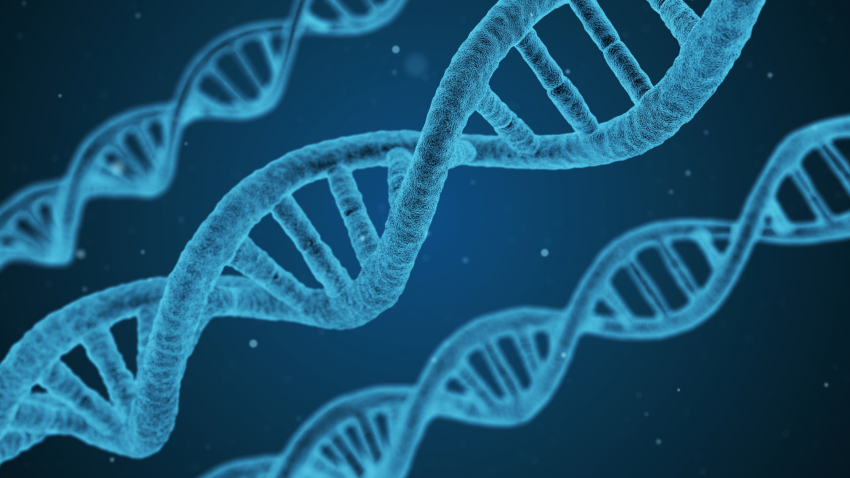
Genetics is the branch of biology that studies heredity and variation in how traits are passed from parents to children. It’s one of those subjects that sound way more complicated than they are: all you need to know is that our genes control how we look, how we act, and-in this case-how we respond to our surroundings.
Genetics are genes, right? Wrong. Genetics doesn’t determine a person’s personality, intelligence, or artistic ability. However, some experts believe that it can influence a person’s behavior. These behaviors, including seemingly unrelated activities such as food addiction, anxiety, and obesity, can harm a person’s overall health.
Our understanding of genetics has expanded dramatically thanks to technological innovations like Amplicon Sequencing. This advanced technique allows researchers to examine genetic material with unparalleled accuracy, revealing rare mutations, single nucleotide polymorphisms (SNPs), gene fusions, and more. By using amplicon sequencing to decode the intricate details hidden within our DNA, scientists are gaining invaluable knowledge about the complex interactions between genes and human health and behavior.
As we continue to unravel the genetic mysteries encoded in our genomes, the field of genetics has the potential to revolutionize medicine through personalized interventions tailored to individual genetic profiles. By leveraging cutting-edge genetic analysis, researchers hope to pave the way for treatments that target specific genetic factors with a precision never before possible. The future of healthcare may very well depend on our ability to fully harness the power of emerging genetic technologies.
Keep in mind that many aspects of biology, including social behavior, are shaped by interactions between individuals of the same species. Social genetic effects occur when an individual’s phenotype, defined as a set of observable characteristics, is influenced by the genetic characteristics of others of the same species. These effects are common and have implications for many animal species’ evolutionary history and health.
When it comes to genetics, everyone is different. No two people are the same; even identical twins have differences in their DNA. We may be physically alike, but our behaviors and personalities differ greatly. This variance between the genes we possess and the way we behave determines who will win in the true influence of behaviors.
What Is Social Environment?
We all come from different backgrounds and social setups, impacting us differently. Unlike related terms such as culture and social class, which describe specific aspects of a person or a group of people, social environment is an all-encompassing term that refers to your state of mind and mood, which is made up of your beliefs, feelings, and emotions. So, if you want to understand someone better, check out their social environment.
Two major types of social environments are discussed in sociology: the broader, more general social environment and the smaller, more specific social environment. These environments are important to understanding human behavior, and each plays a role in how we interact and in what roles social groups play in our lives.
This starts out from a very young age. As we grow, we transition into a more social stage where we need to mix with our peers in a variety of settings. From going to a Day Care in East Norriton, PA, for instance, to attending college. In the early stages we learn how to interact with people, understand behaviours, and so on. However, how we react may already be predisposed, which can mean that being around our peers doesn’t really change the outcome of our actions within different moments.
A point of contention in the social sciences is whether environmental factors like societal norms and social pressure influence an individual’s behavior. It is debated whether external forces dictate one’s actions and behaviors or whether one’s behaviors result from personal choice. This debate revolves around the influences of social forces on children, such as peer pressure and how a child’s peers influence their choices. The question has illuminated the topics of large and small group dynamics and social influence in research, economics, education, psychology, and sociology.
Humans develop the behaviors they need to survive and thrive in their environment. There are many forms of environmental influence, such as parental behavior, peers, and school. However, a new study by researchers at the University of Edinburgh has added another piece of the puzzle: genes. Researchers studied identical twins who had grown up in the same family but had different personalities. The researchers found that identical twins spend more time together, influencing their behaviors. Once twins have spent time together, their behaviors start to mirror each other. One twin may spend more time studying science, while the other may spend more time playing video games. Over time, this could influence which twin ends up more successful, based on which behaviors they favor.
Genetics and environment are intertwined and influence each other. Numerous studies have been done regarding the topic, with genetic components linked to ADHD, conduct, personality, and antisocial behavior. On the opposite end of the spectrum, the social environment has been cited for influencing how a child develops, for instance, depending on whether a child grew up in poverty and developed low self-esteem or had a fulfilling upbringing.